한
han · 한
An accumulated grief that does not resolve into mourning; a longing braided with resentment that has no English single-word equivalent.
A single-session journaling RPG and computational tool for psychological reflection — built to critique the violence of quantification in emotion AI, by enacting that critique from the inside.
Systems classify you. That classification is not you.
The language used to define you should be yours.
To be quantified is not simply to be measured. It is to be translated into a language one may not have chosen.
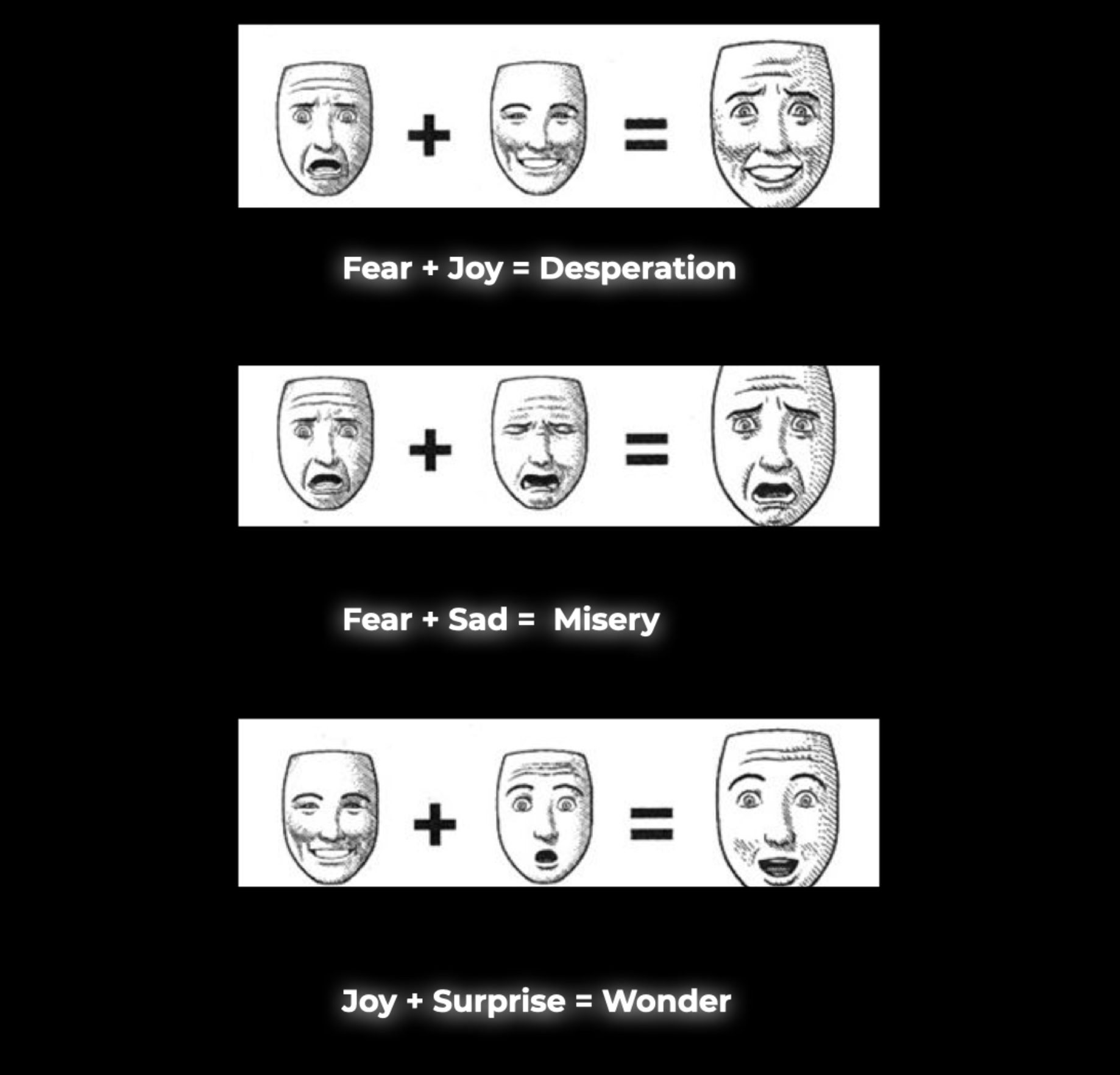
In many dominant models of affective computing, emotion is treated as composable: a discrete vocabulary of basic feelings — fear, joy, sadness, anger, surprise, disgust — that can be combined into more complex states. Fear plus joy becomes desperation. Fear plus sadness becomes misery. The diagram begins to resemble an equation, or a page from a chemistry textbook.
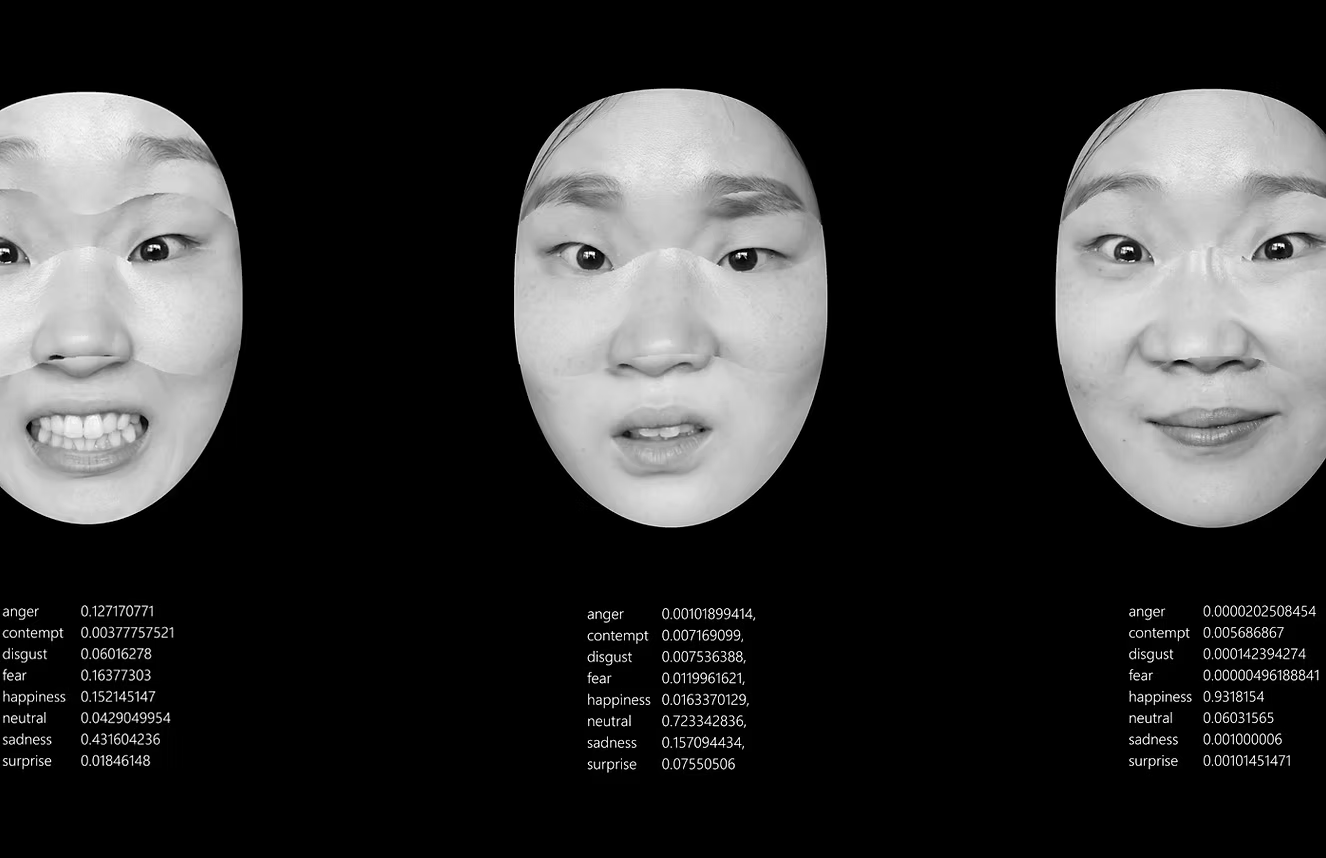
This logic draws from the tradition of universal basic emotions, most famously associated with Paul Ekman, and from taxonomic models such as Robert Plutchik's wheel of emotions. In contemporary emotion-recognition systems, this logic often reappears in computational form. Facial-expression APIs return probability distributions. Sentiment analyzers map language to scalar valence. Wearables produce heart-rate-variability scores accompanied by affective inference.
Each system asks a similar question: what is this person feeling, and to what degree?
And each system answers with a number, a label, or both.
But there are forms of human experience that do not appear on the chart.
The violence is not in measurement itself. It is in the assumption that what cannot be measured does not exist, and that what can be measured exists only in the form measurement permits. This is what I call the violence of quantification. Section 01 · The Problem
Culturally specific and relational affects are especially vulnerable to this reduction. Han risks being flattened into depression. Jeong risks being misread as attachment. Liget risks being reduced to aggression. But these translations are not neutral. They do not simply describe experience; they reorganize it according to the system's available vocabulary.
The chart's blind spots are productive. They produce a particular world: one in which only certain feelings are real, only certain feelings have names, and only certain feelings can be acted upon.
An accumulated grief that does not resolve into mourning; a longing braided with resentment that has no English single-word equivalent.
An affection that grows through proximity rather than declaration, attaching to people and places without ever quite naming itself.
A high-arousal collective energy directed outward — not Fear + Joy, not anywhere on the wheel. Not a translation problem. A category problem.
Until you make the unconscious conscious, it will direct your life and you will call it fate. Attributed to C. G. Jung · paraphrased from Aion (1959) · no verbatim source in the Collected Works
Designing inside the apparatus is more honest than designing outside it — because the apparatus is what the player will encounter in everyday life.
How can we make visible the experience that exceeds quantification — from within a system of quantification?
A direct response to the violence described above. To stage refusal from outside is to assume the player has somewhere else to stand. To stage refusal from inside is to give them tools for a refusal they can practice in the world they actually inhabit.
How can clinical psychological instruments — such as defense mechanisms — be translated into game mechanics?
Defense mechanisms come from the room of psychoanalysis and clinical assessment — from Anna Freud's ego psychology to Vaillant's hierarchy, Cramer's developmental account, and later instruments such as the DSQ-60 and DMRS-SR-30. They were not designed for the inside of a game. How can clinical psychological frameworks — such as defense mechanisms — be translated into game mechanics?
What kinds of recognition and consolation become possible through asymmetric, anonymous exchange between players?
The project borrows structural lessons from Postcrossing, TimeBanking, and anthropological accounts of gift circulation: asymmetry, delayed reciprocity, and value that moves by being passed on. What becomes possible when one person's pattern is paired, algorithmically and anonymously, with another person's letter? Not therapy. Not friendship. Something in between — being witnessed by someone you will never meet.
Defense as adaptive intelligence — the way we arrange the world into something we can live in.
The world is not simply given. It is arranged through the grammars we have learned to survive. The moment we understand that arrangement, we stop being mere residents of the world and become its designers.
Defense is not deficiency. It is adaptive intelligence — the way we arrange the world into a form we can live in. The avoidant person is a designer of distance. The intellectualizer is a designer of frames. The projector is a designer of locations.
To recognize this design sense is to recognize the person — whether that person is oneself or someone else.
A system may classify us. It should not define us.
We each paint the world in our own style — the style of our defense mechanisms. For some, it appears as a rough black-and-white noir; for others, a vivid comic. What matters is not naming the style once and for all, but noticing how it appears — when it protects, when it separates, when it asks to change.
The White Room does not give the player a name for their style. It gives them a room to walk through, a card to draw, a stranger's letter to read, an image to take home. The player's style is what they will recognize, eventually, in the patterns of their own life — and what they will paint, in turn, into the lives of others.
A short definition of defense mechanisms: where the term comes from, how it has been structured, and why this project keeps the hierarchy without treating it as a moral ladder.
A defense mechanism is an unconscious psychological strategy through which the mind protects itself from anxiety, internal conflict, or parts of reality it cannot yet hold.
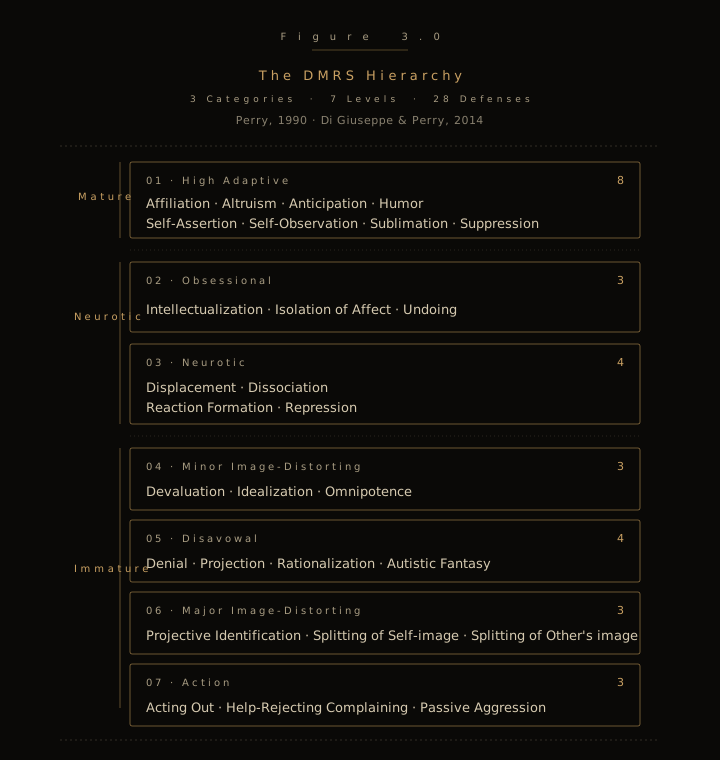
The term enters psychology through Anna Freud's work on the ego and the mechanisms of defense, and is later developed by George Vaillant, Phebe Cramer, and J. Christopher Perry. In Perry's Defense Mechanisms Rating Scales (DMRS), defenses are organized into three broad categories and seven hierarchical levels.
The White Room adapts this lineage into a twenty-eight-defense codebook. The hierarchy remains in the system as metadata — never as a moral ladder, never returned to the player as a label.
In clinical literature, defenses are often assessed as patterns of psychological functioning: how a person manages conflict, anxiety, feeling, and reality. This project re-tags the same vocabulary — not as deficit, but as adaptation.
The avoidant person is a designer of distance.
The intellectualizer is a designer of frames.
The projector is a designer of elsewhere. Section 03a · Definition
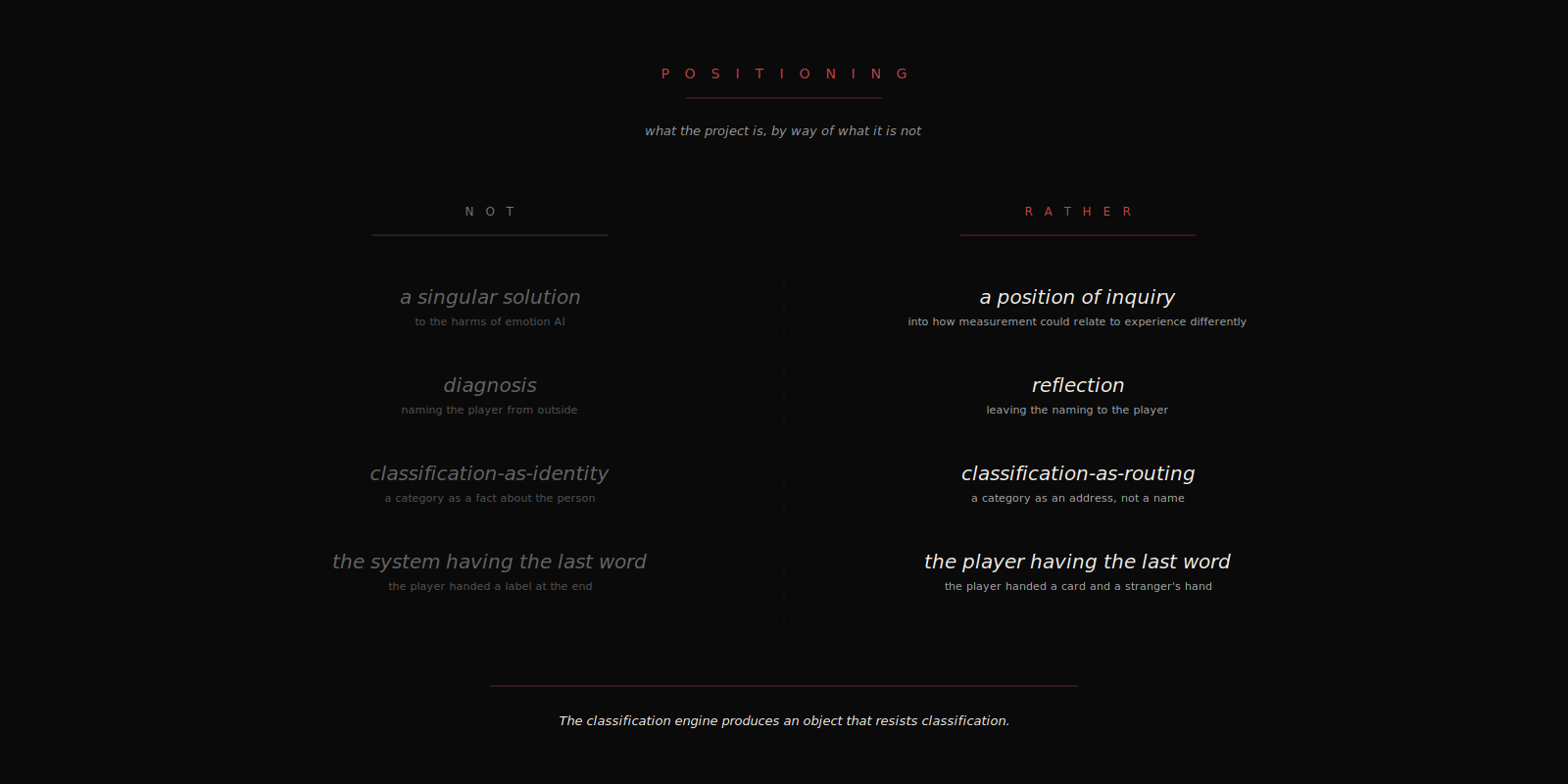
The frame opposes itself to three default operations of contemporary emotion AI. These reversals are the operational ethics of the project.
Diagnosis names the player from outside. Reflection leaves the naming to the player. Classification treats categories as facts about the person. Interpretation treats them as moves in a conversation. Measurement converts experience into data. Mirroring returns experience to the person in a form they can recognize and revise.
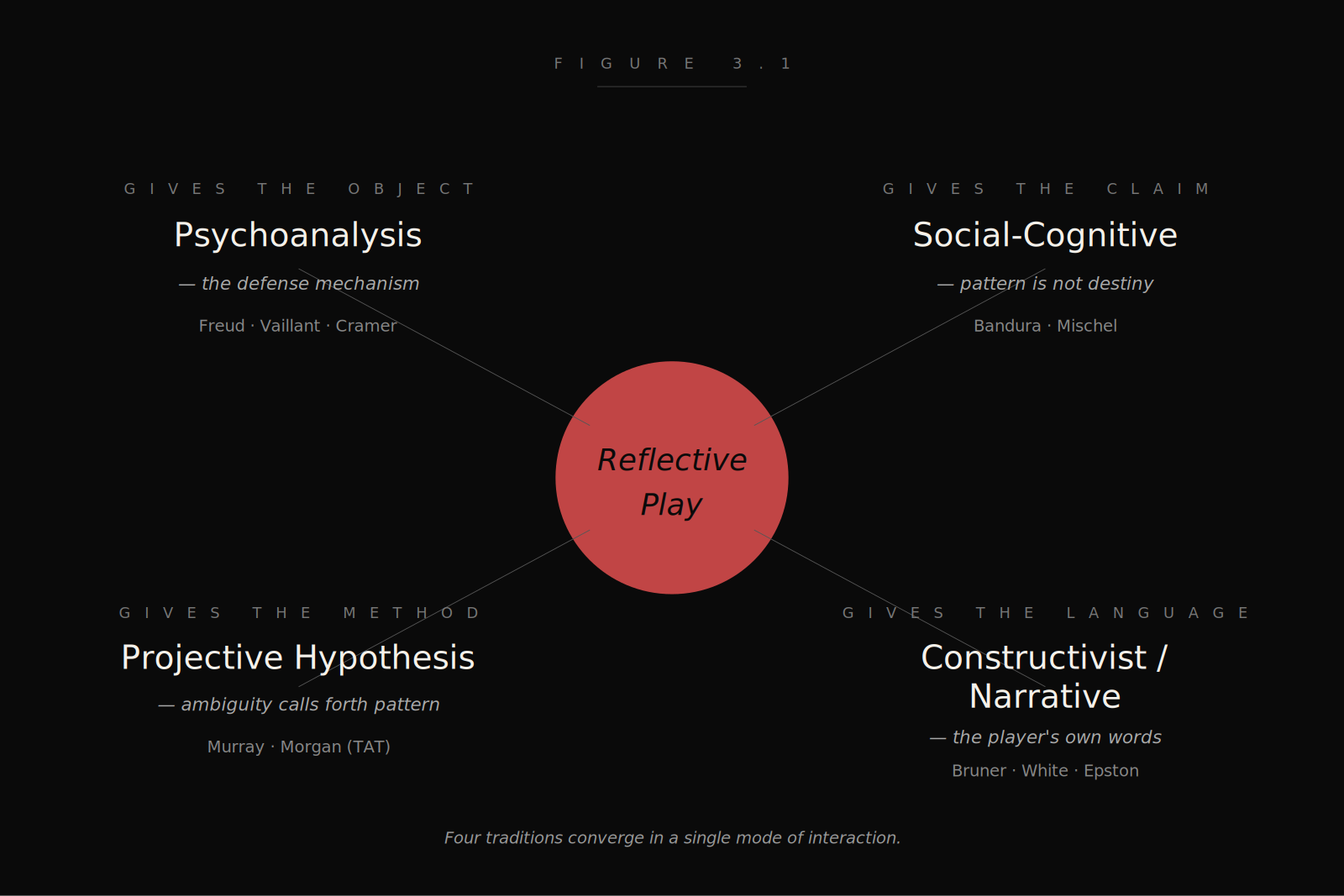
The project sits at the intersection of four traditions, each providing one structural commitment.
From Freud's early formulations through Anna Freud's systematization in The Ego and the Mechanisms of Defence to Vaillant's developmental hierarchy and Cramer's empirical operationalization — the mind protects itself, often without the self knowing, through patterned operations on perception, memory, and feeling.
The lineage from Bandura through Mischel to contemporary self-regulation theory: people can recognize their own scripts, and once a script is recognized, it can be revised. The third phase of the game — Meta-Recognition — takes its name from this premise.
Murray and Morgan's TAT (1935): ambiguous stimuli call forth the structures of the perceiver's interior life. The rooms, oracle cards, LLM's reflective questions, and the closing blank-fill all function as projective surfaces. The player completes them, and in completing them, leaves a trace.
From Bruner's Acts of Meaning through White and Epston's narrative therapy: the therapeutic act is not the imposition of a label but the re-authoring of a story. "I sit by the window often" is more useful than avoidant. The narrative is what gets to be revised. The label only freezes.
These four converge in what I call Reflective Play: a mode of interaction in which game mechanics function as psychological interfaces, and behavioral data shapes what the system returns to the player. The system stages the conditions under which a player can recognize their own patterns — without being told what those patterns are.
The project draws on three lineages — the projective surface, the journaling RPG, and the social-psychological app — and takes from each only what serves the player who does not yet know themselves.
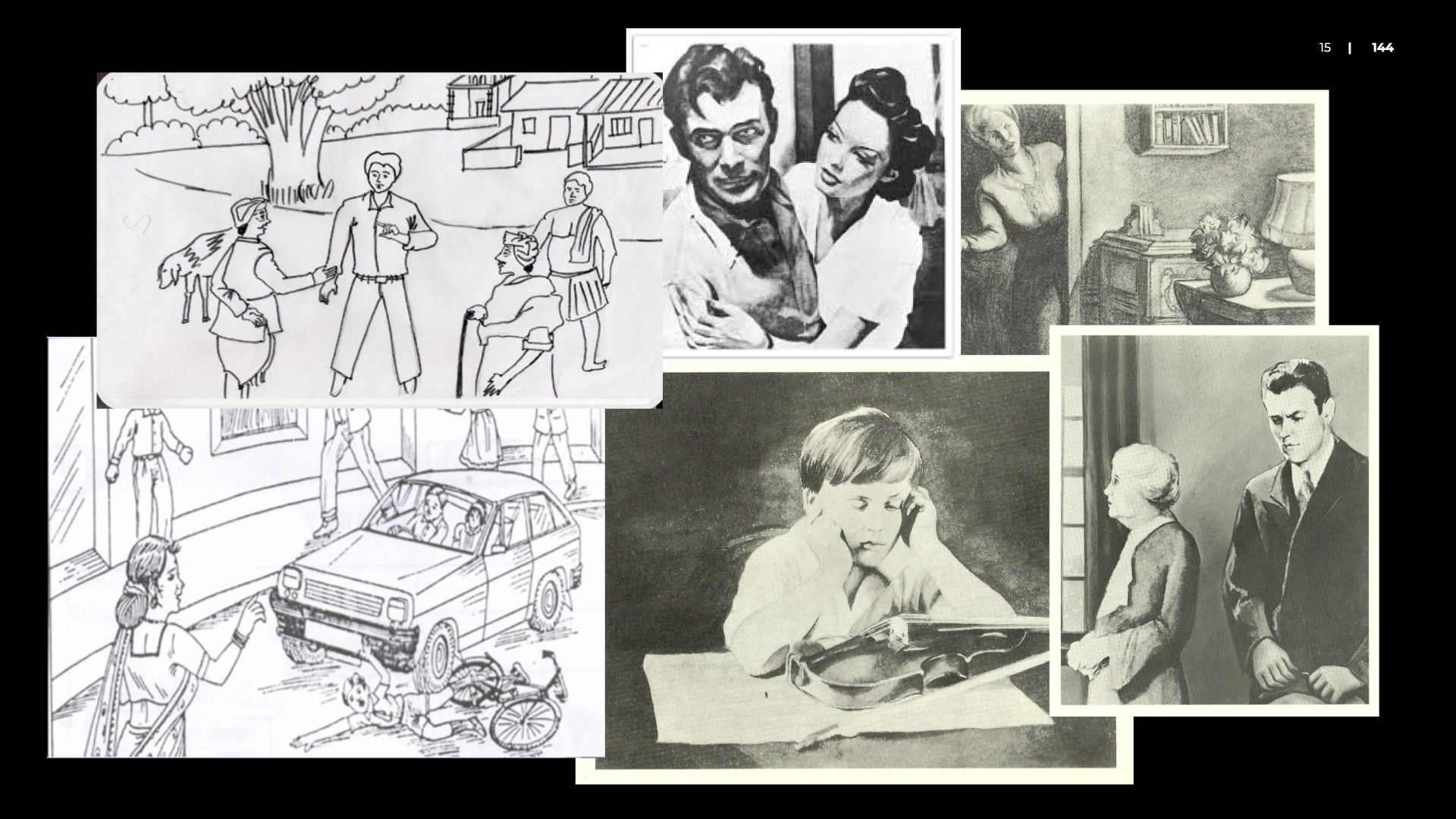
Henry Murray and Christiana Morgan's Thematic Apperception Test (1935) established a single methodological claim that this project takes seriously: ambiguous stimuli call forth the structures of the perceiver's interior life. Show a person an unclear scene, ask them what is happening, and the answer they give will be patterned — and the pattern will be theirs.
The same logic underwrites the journaling RPG, where the player narrates an interior in response to a fictional one. Indirect self-confession. The mask of fiction is what makes the truth speakable. The player describes a character; the description is, quietly, also a description of the player.
The White Room treats every layer of the game as a projective surface — the rooms themselves, the oracle cards, the LLM's reflective questions, the closing blank-fill. The player completes them, and in that completion, a pattern becomes available for reflection.
The more the surface withholds, the more the player gives.
Every story-driven game can be compressed into a single verb — the core experience the game asks the player to perform.
What if you could undo it?
The game of consequence and revision. Time as the player's instrument.
What if you could save them?
The game of branching peril. Choice as the difference between life and death.
What if you didn't know yourself?
The game of recognition. Not action against the world, but attention turned inward — and a stranger turning attention back.
Two products have already taken pieces of this terrain. Each succeeds at scale — and each shows the cost of doing it differently than the project intends.
A reading is delivered. The player consumes. The labels travel between profiles. The computation is the product, not the prompt.
The architecture closest to The White Room's letter system. Where Koko trades reappraisals as text, this project trades reappraisals as letters, poems, and atmospheric images.
From Co–Star, the project takes the recognition that millions of people will accept a computational reading of themselves. From Koko, the structural insight that asymmetric, anonymous exchange between strangers can do meaningful psychological work. From the journaling RPG, the form in which a player can narrate themselves through the cover of a character. From the TAT, the projective principle that ambiguity is a method.
What the project refuses, from all of them, is the closing label. The reading is not returned as a name.
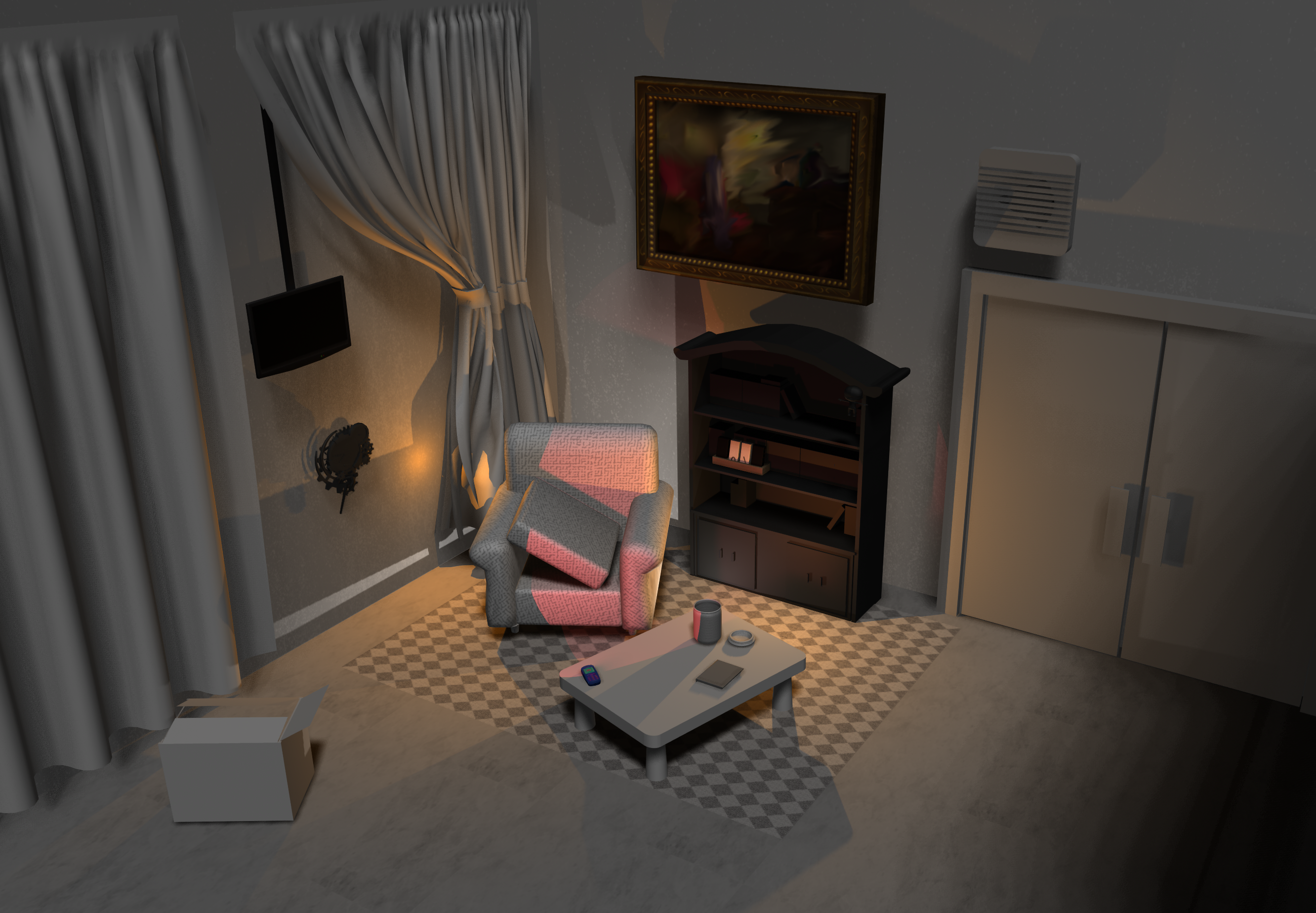
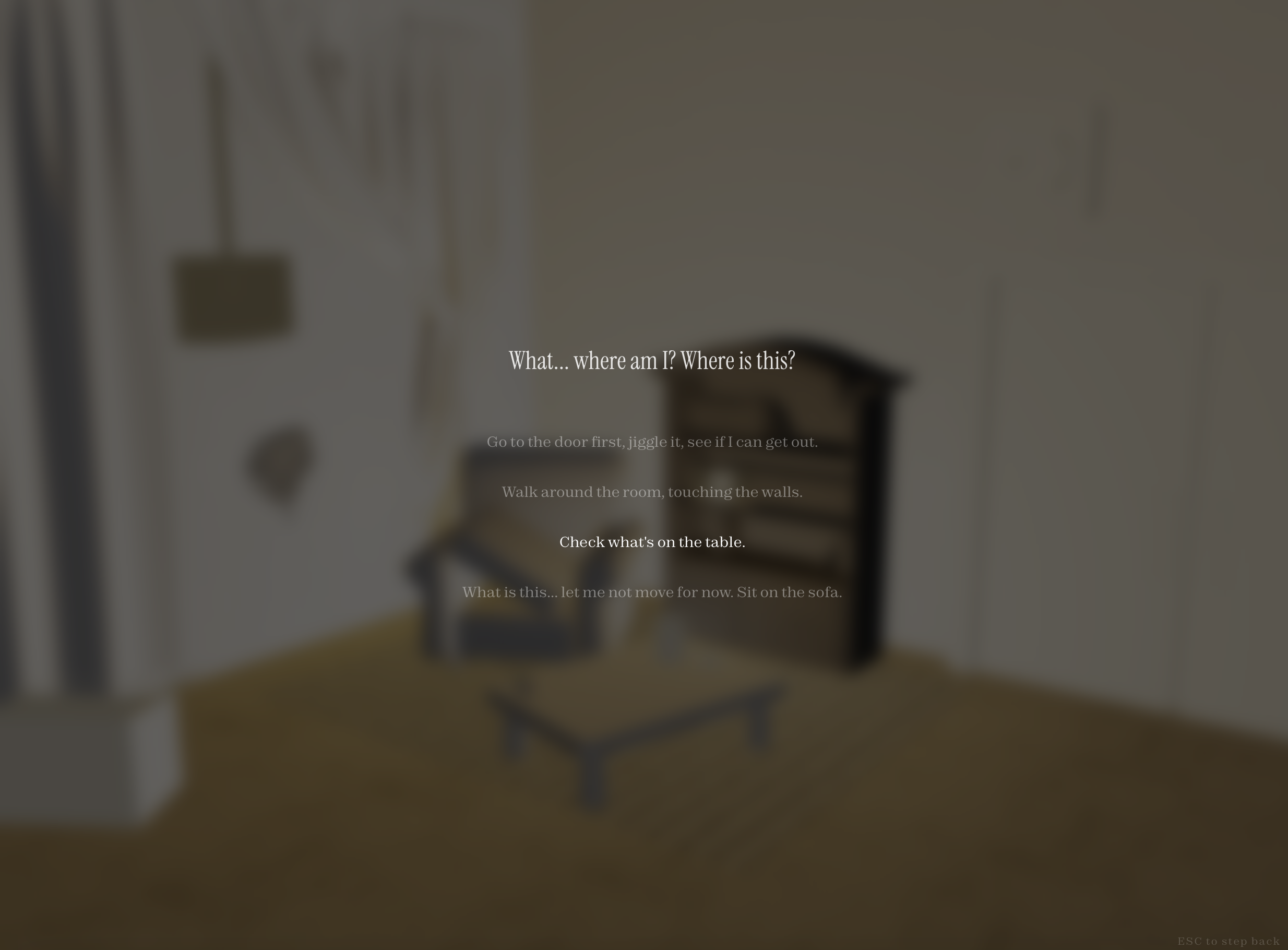
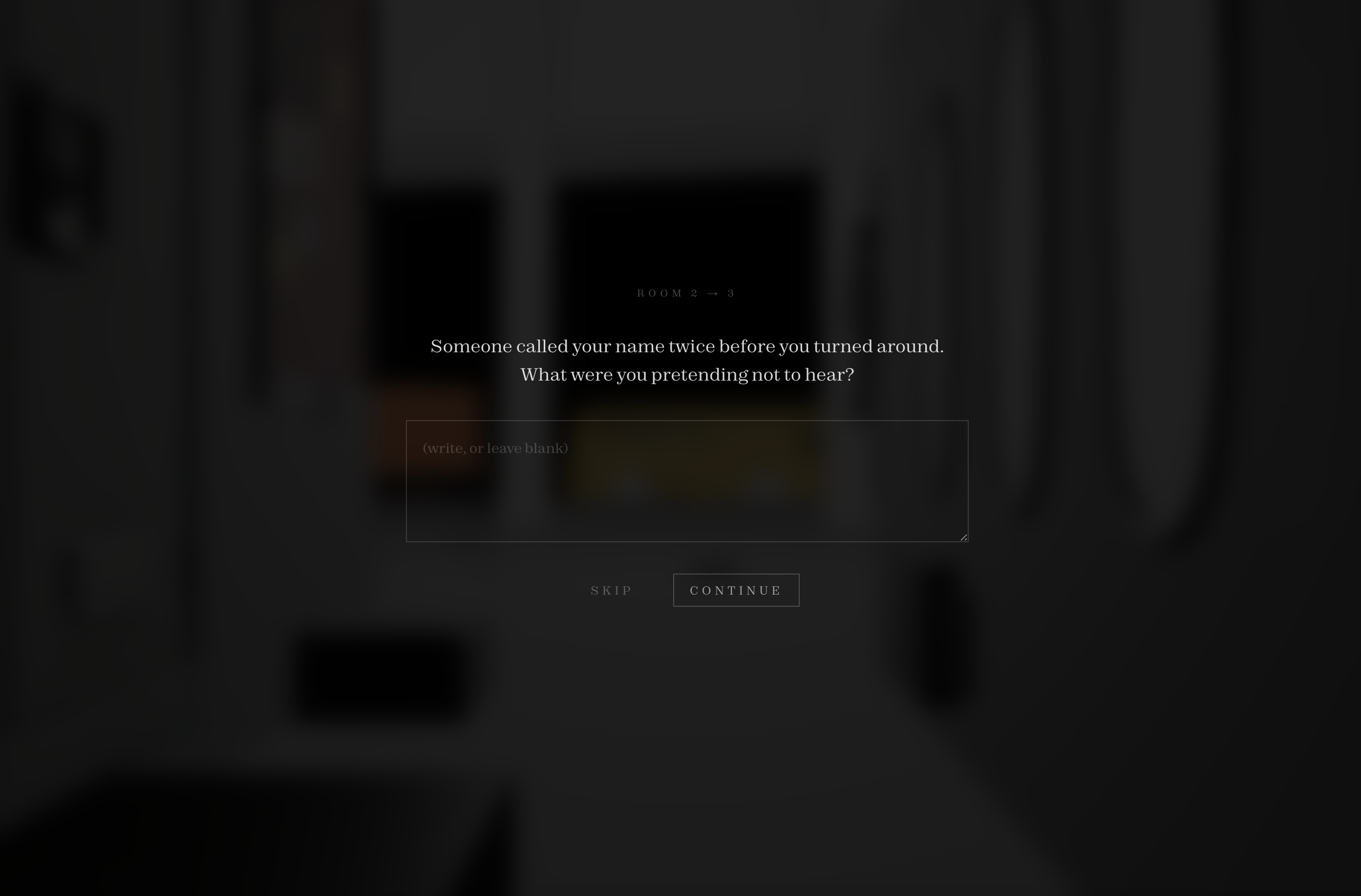
The escape-room scaffold provides a constrained spatial experience, a logic of obstacles and resolution, and a familiar grammar of clue, hesitation, and recognition — repurposed for psychological rather than puzzle-logical content. The rooms are spaces, not themes: familiar interior architectures, defamiliarized.
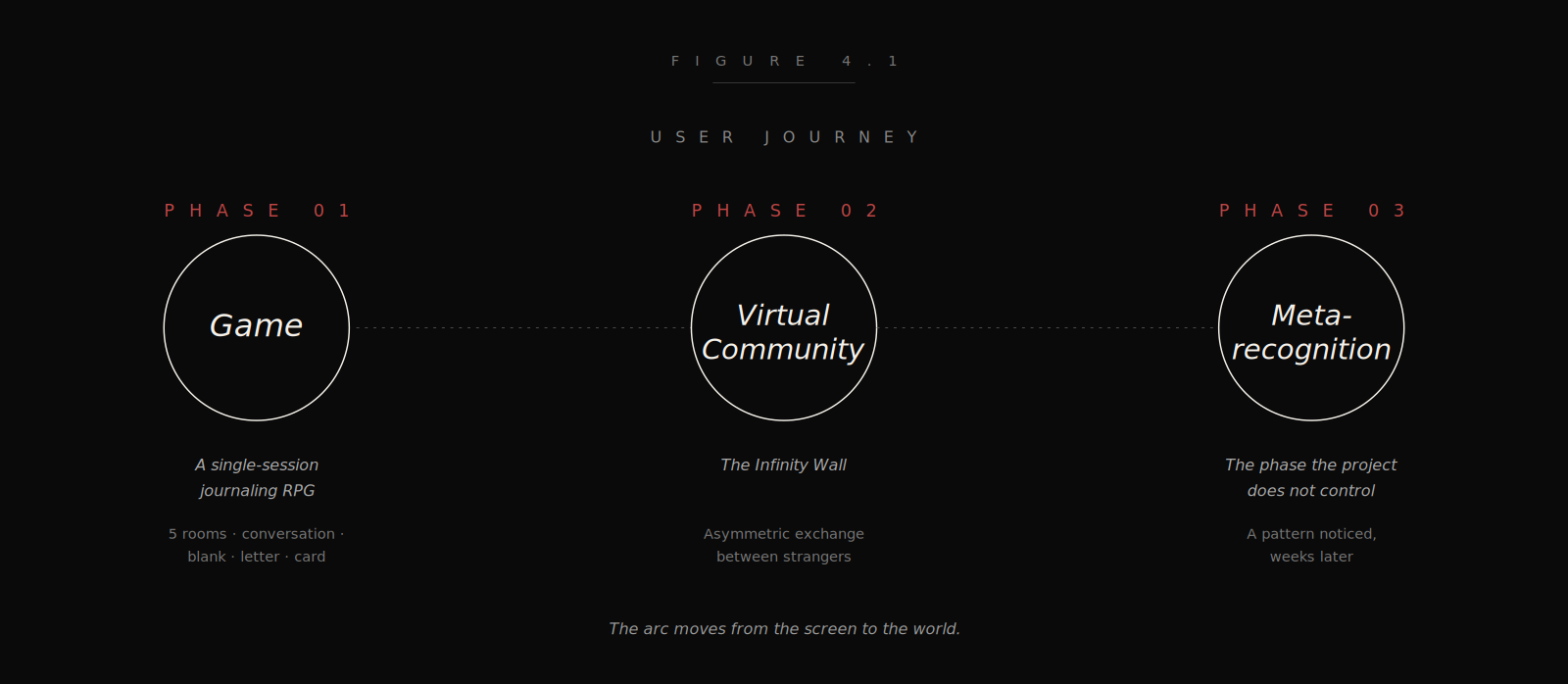
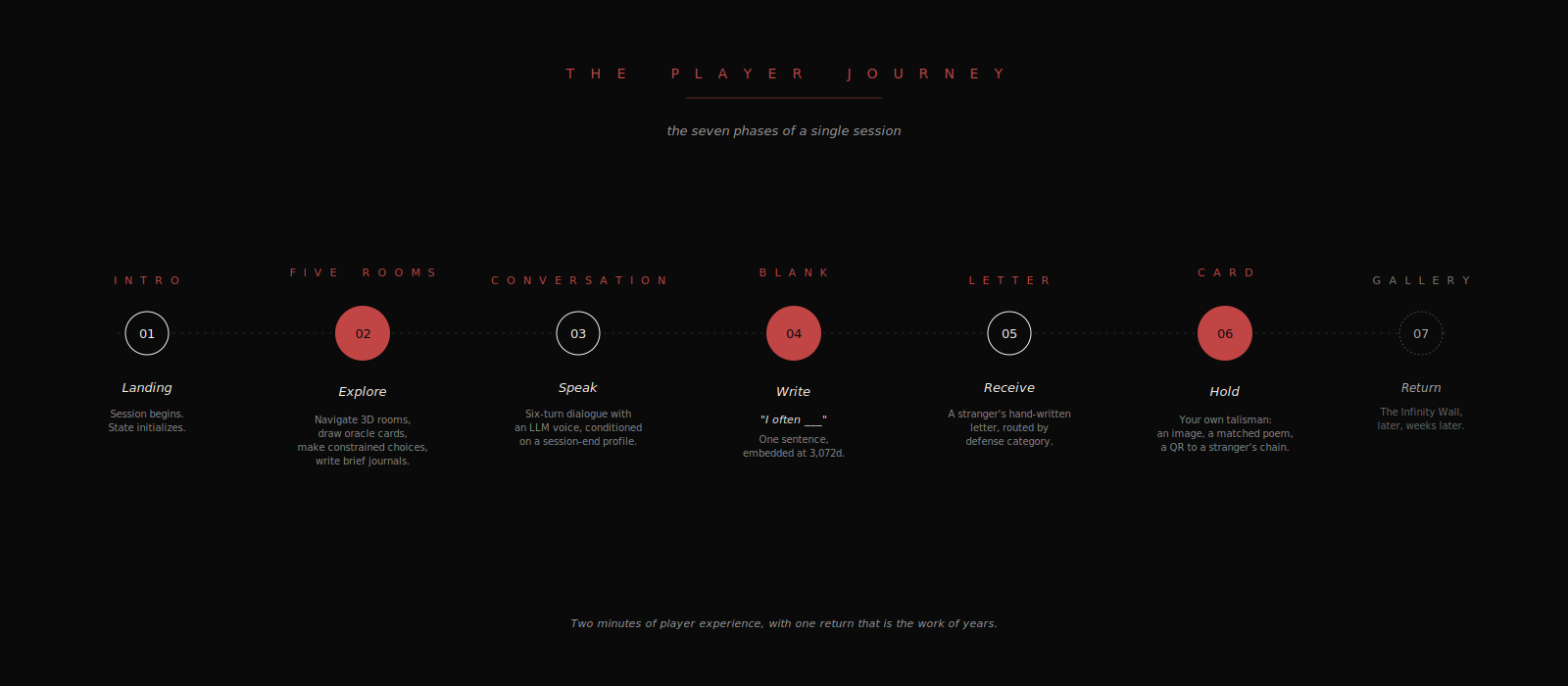
| # | Phase | Player | System |
|---|---|---|---|
| 1 | Landing / Intro | Begins | Generates session ID, initializes state |
| 2 | Rooms 1–5 | Explores 3D rooms, makes constrained choices, writes journals between rooms | Logs each choice with three-axis labels (metaphors / operations / motifs), VAD coordinates, defense tags |
| 3 | Conversation | Holds a six-turn dialogue with an LLM voice | Conditions on a unified defense profile and a film-stimulus stem |
| 4 | Sealing · Blank Fill | Completes three blank-fill sentences — drawn from a templated pool of ten — as a closing ritual before the letter arrives | Stores all three in final_reflections; embeds the designated routing sentence at 3,072 dims |
| 5 | Letter | Receives a stranger's letter matched on the routing sentence; writes a reply, or holds silence | Routes by defense category + cosine similarity; the reply seeds the next stranger's letter |
| 6 | Card | Receives their own talisman — image, poem, QR | Generates the image, matches the poem, encodes the QR |
| 7 | Virtual Community Gallery | Returns to the Infinity Wall | Renders shared letters in 3D space |
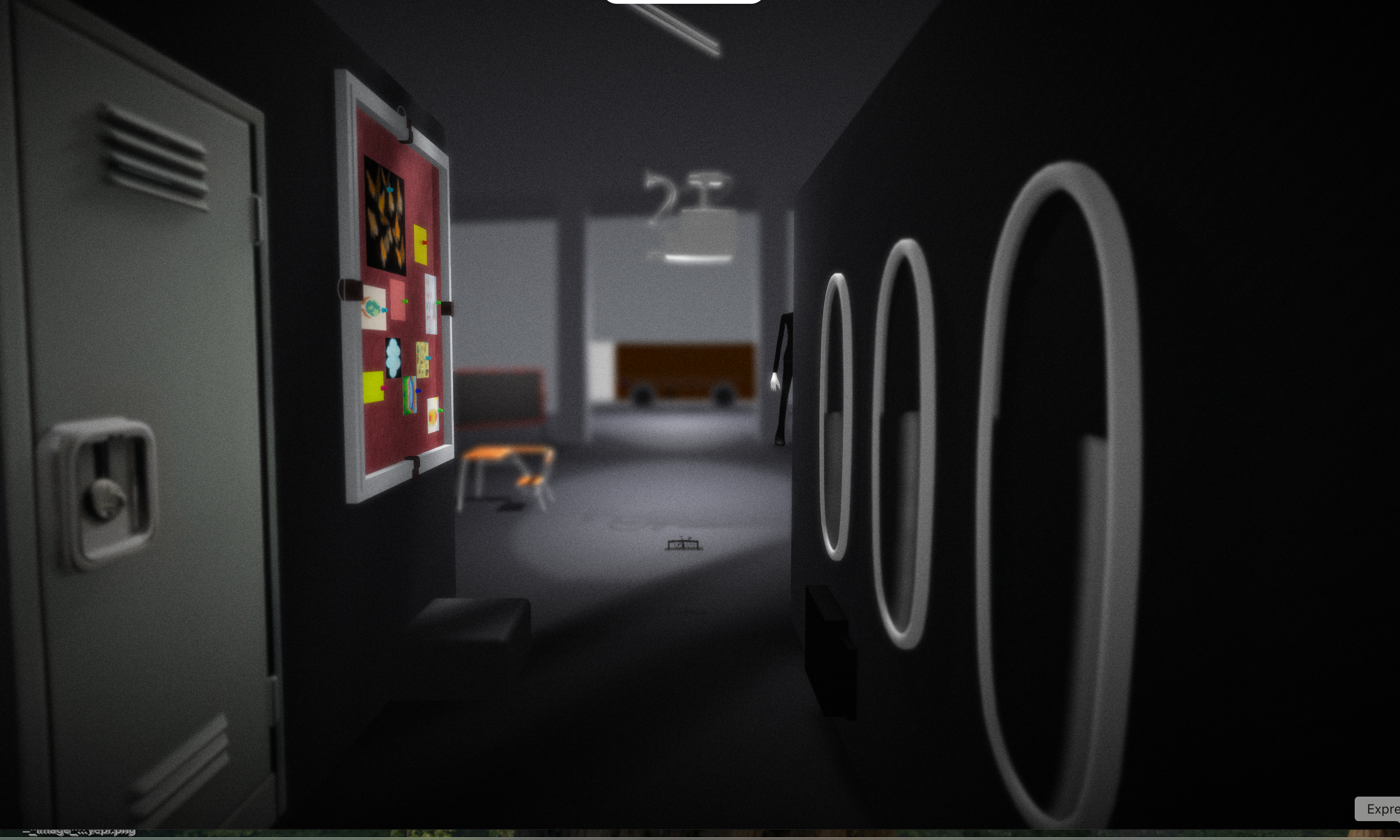
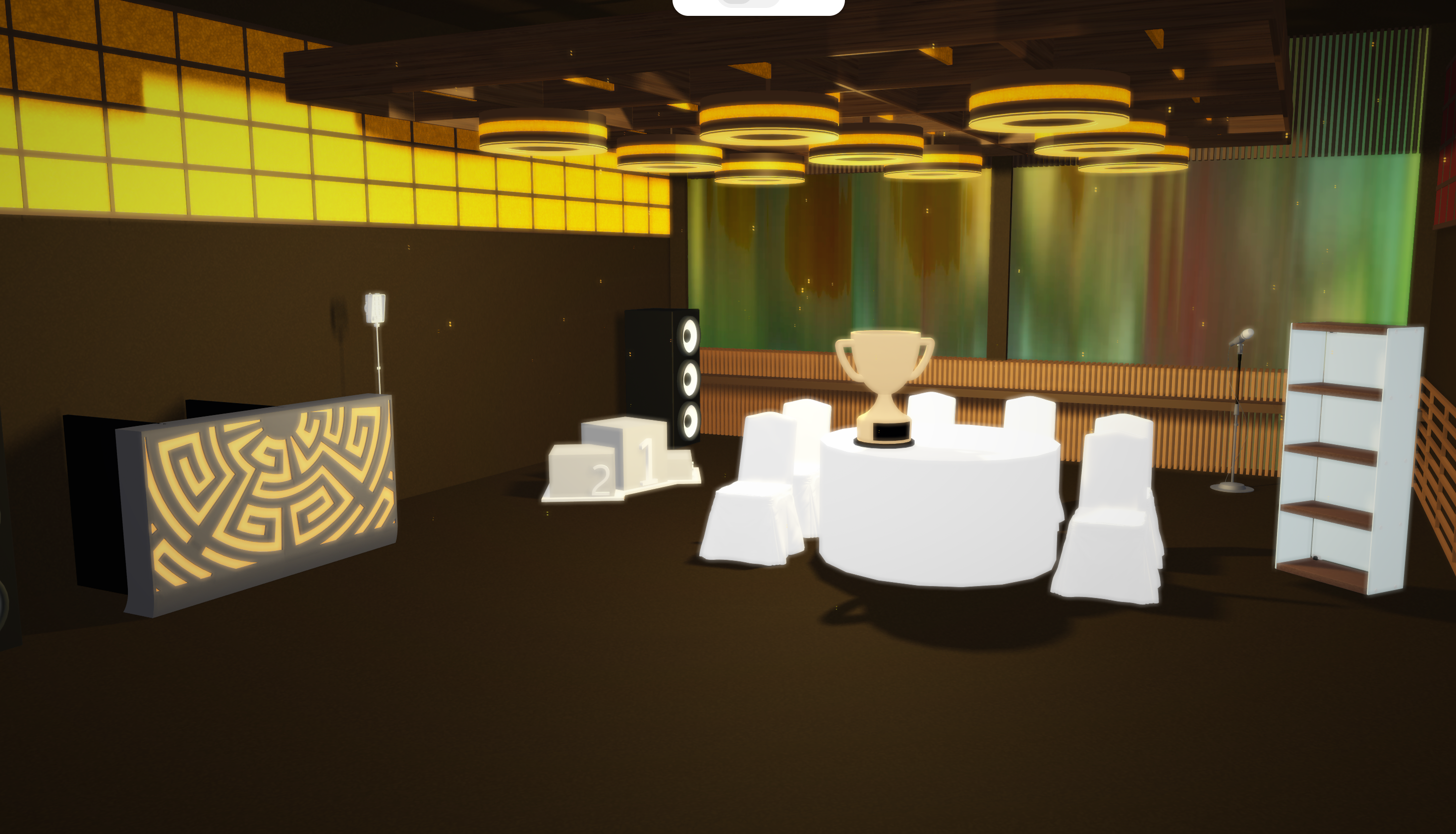
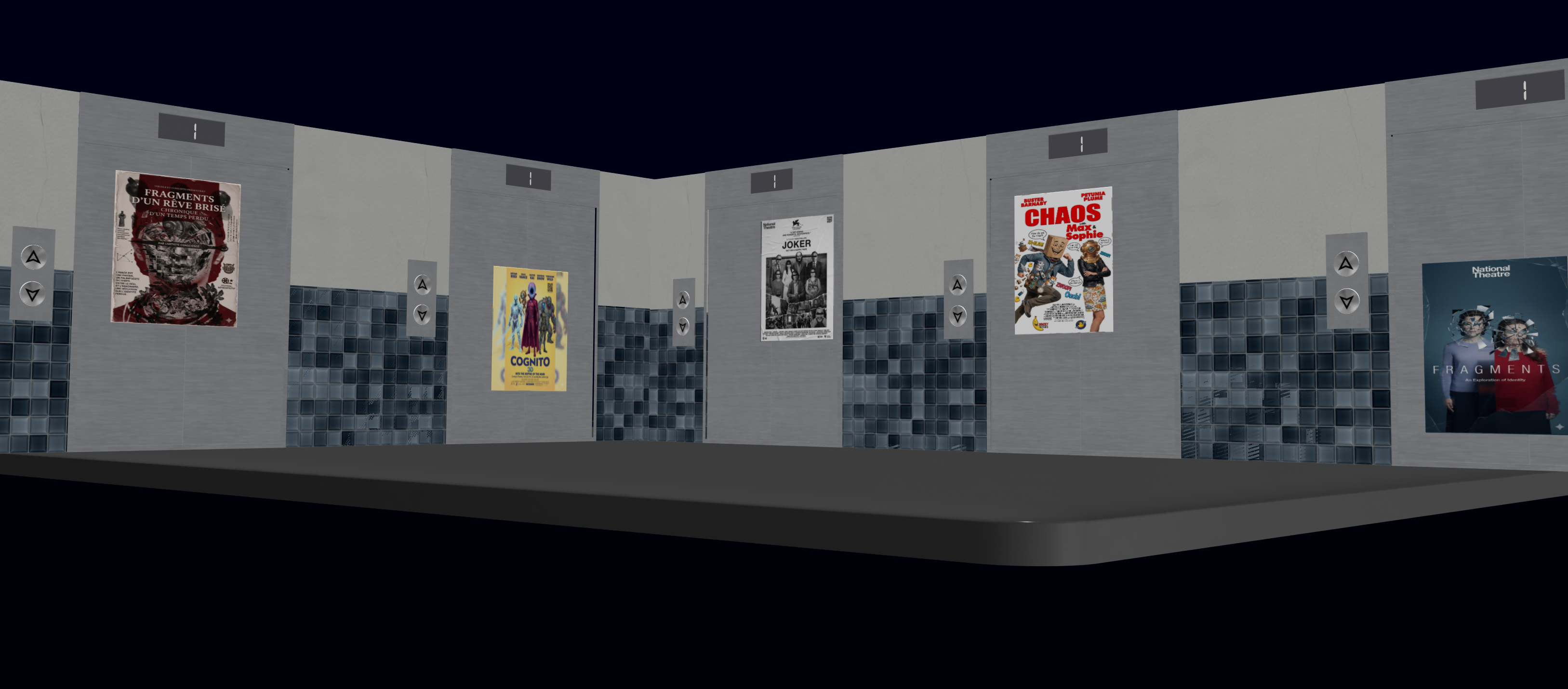
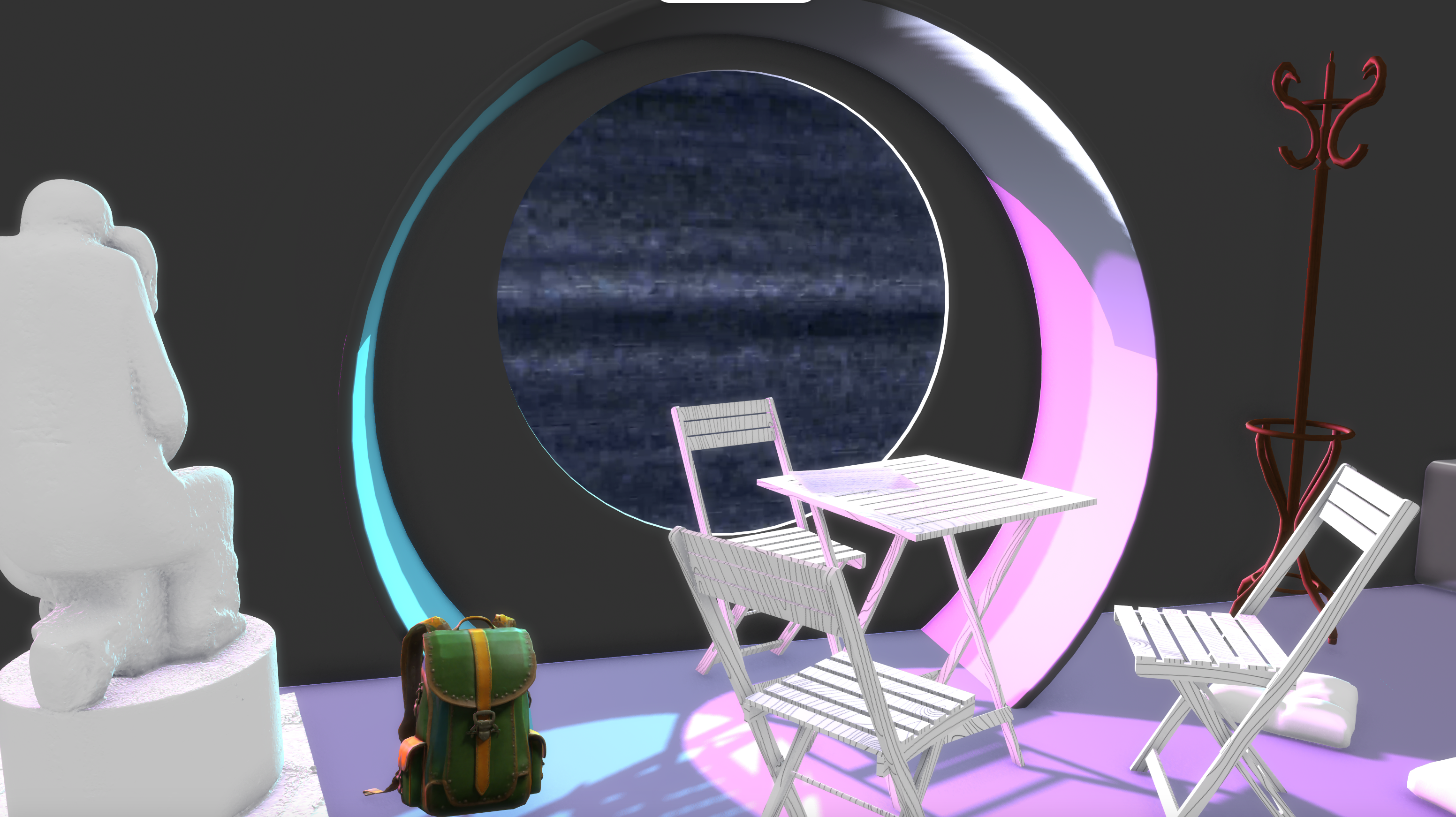
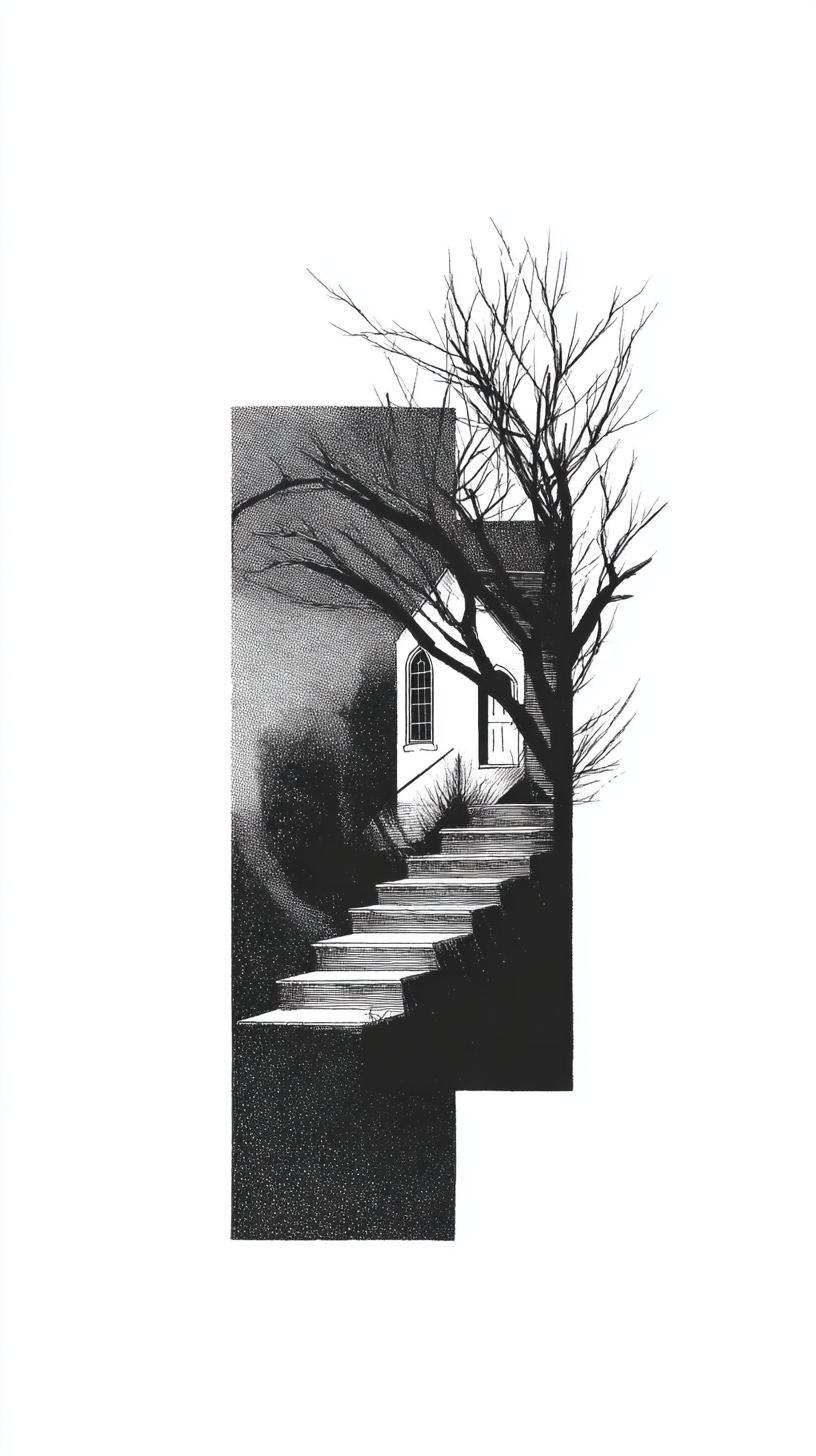
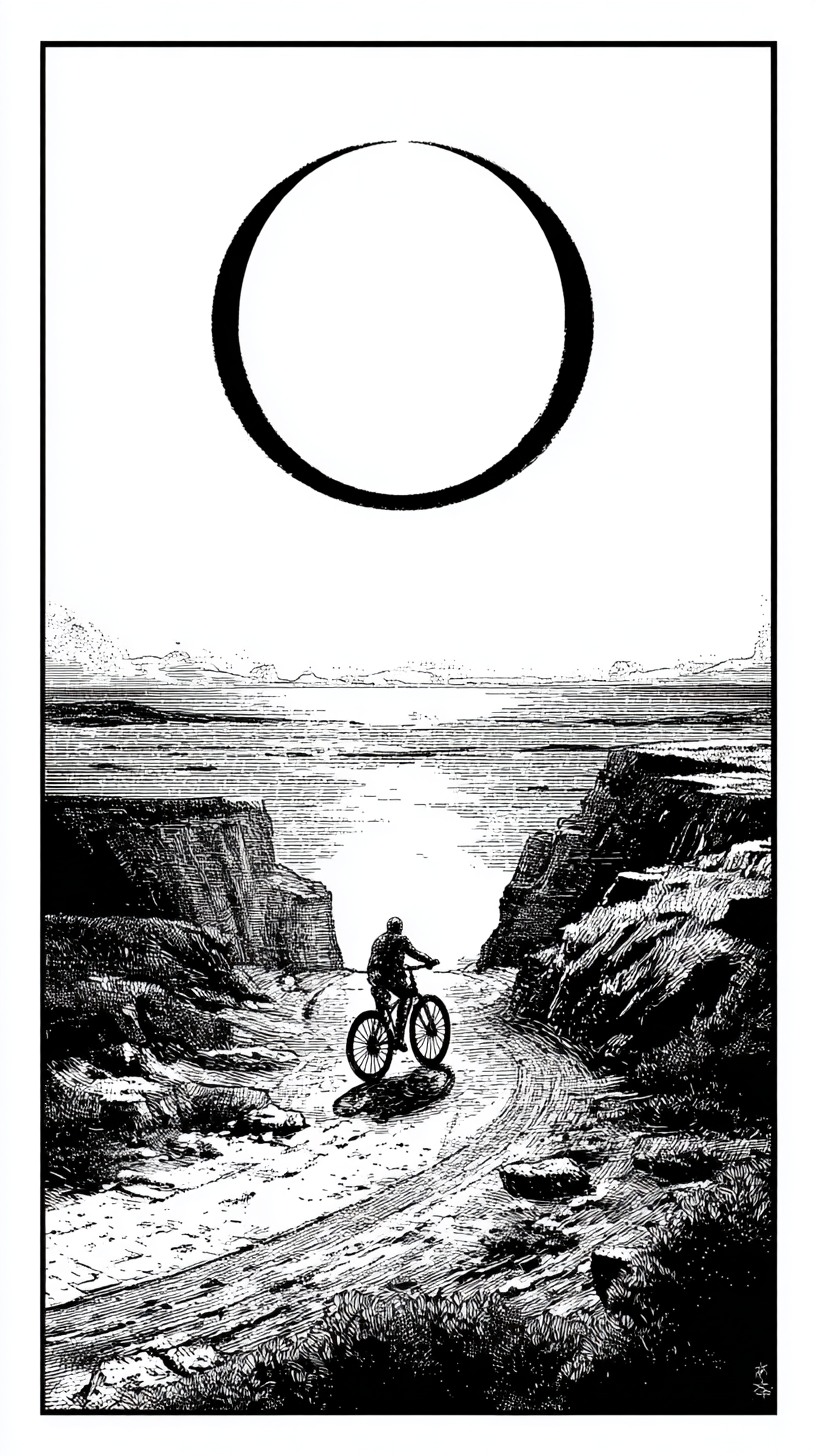
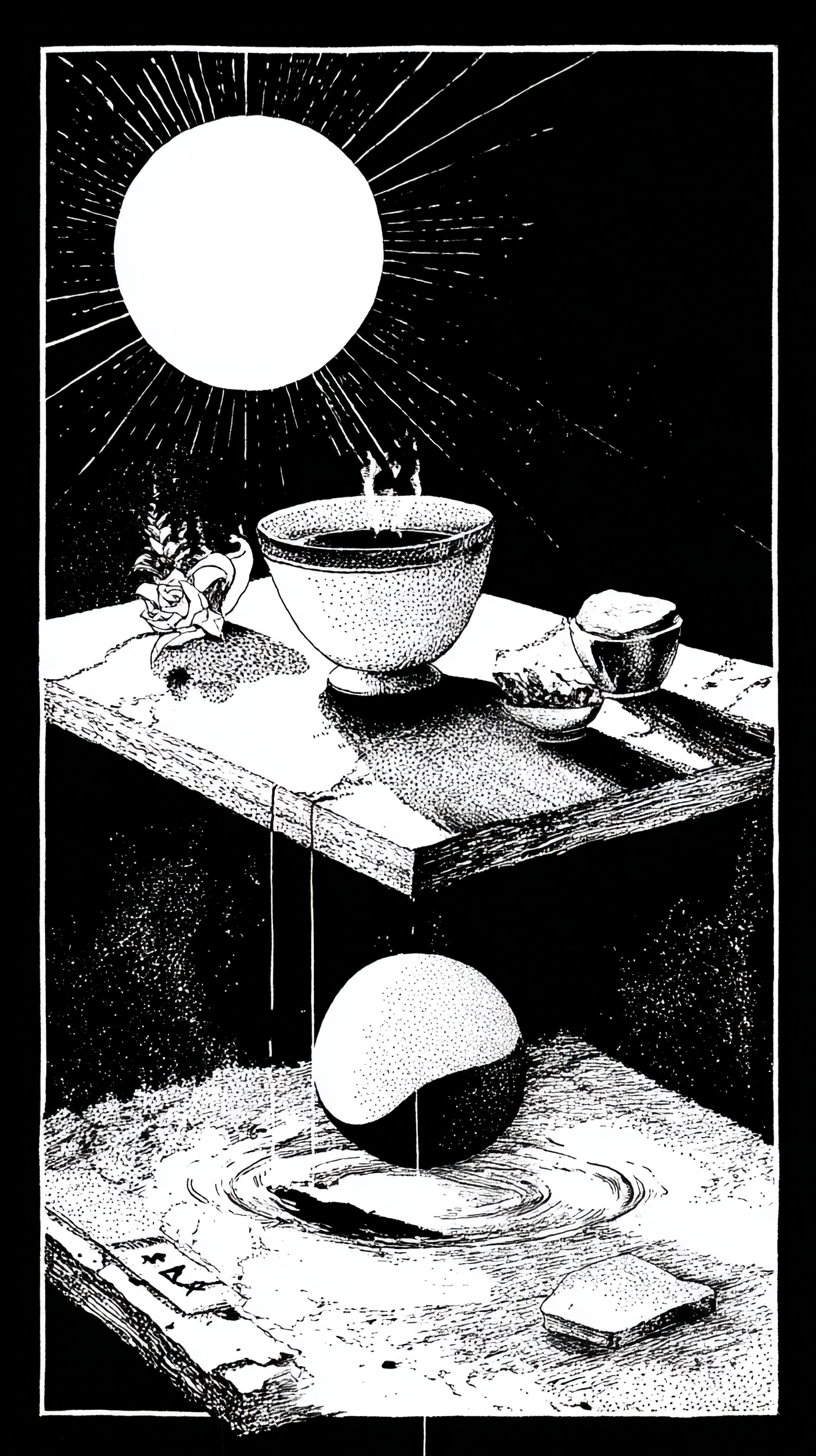
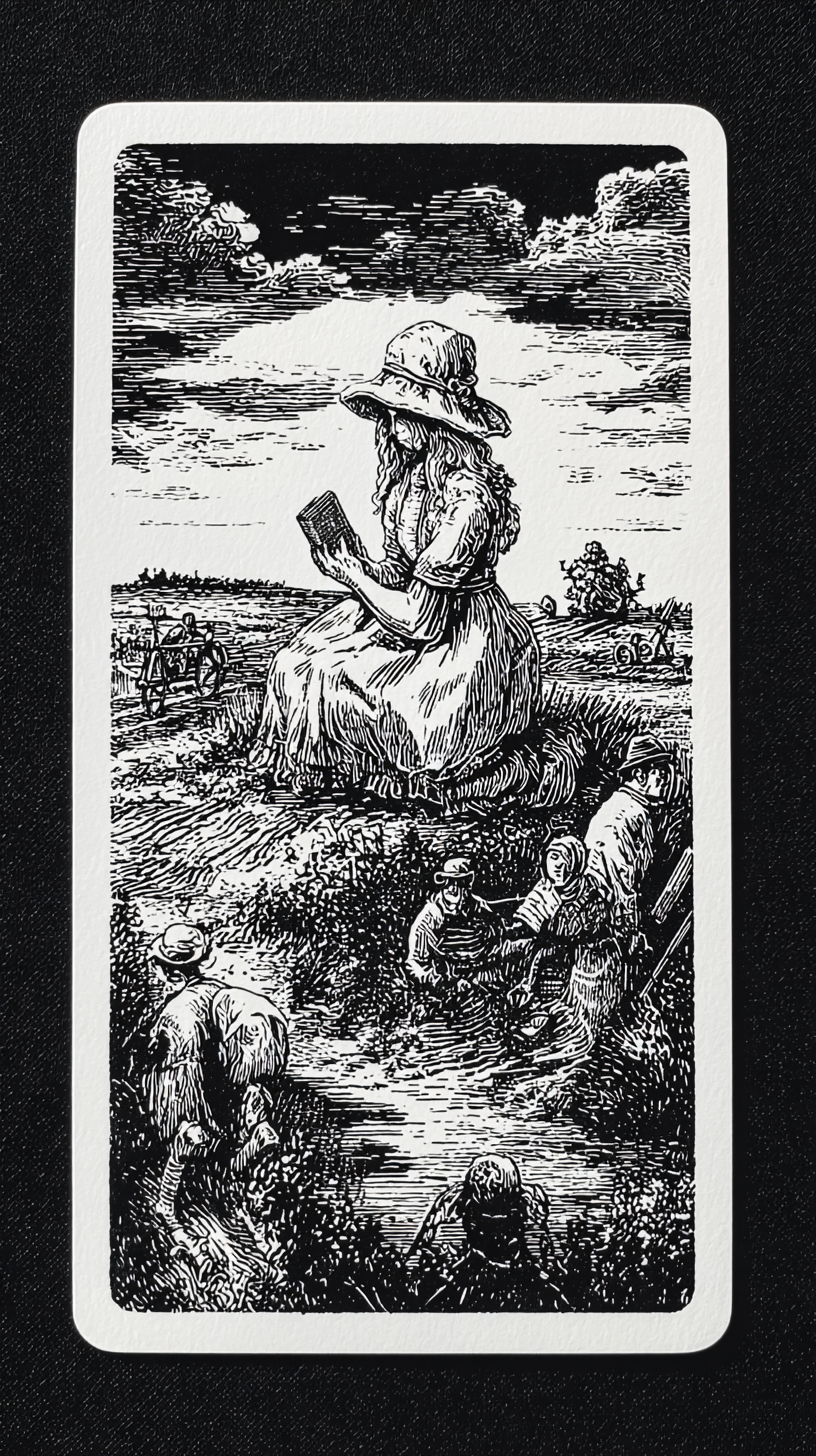
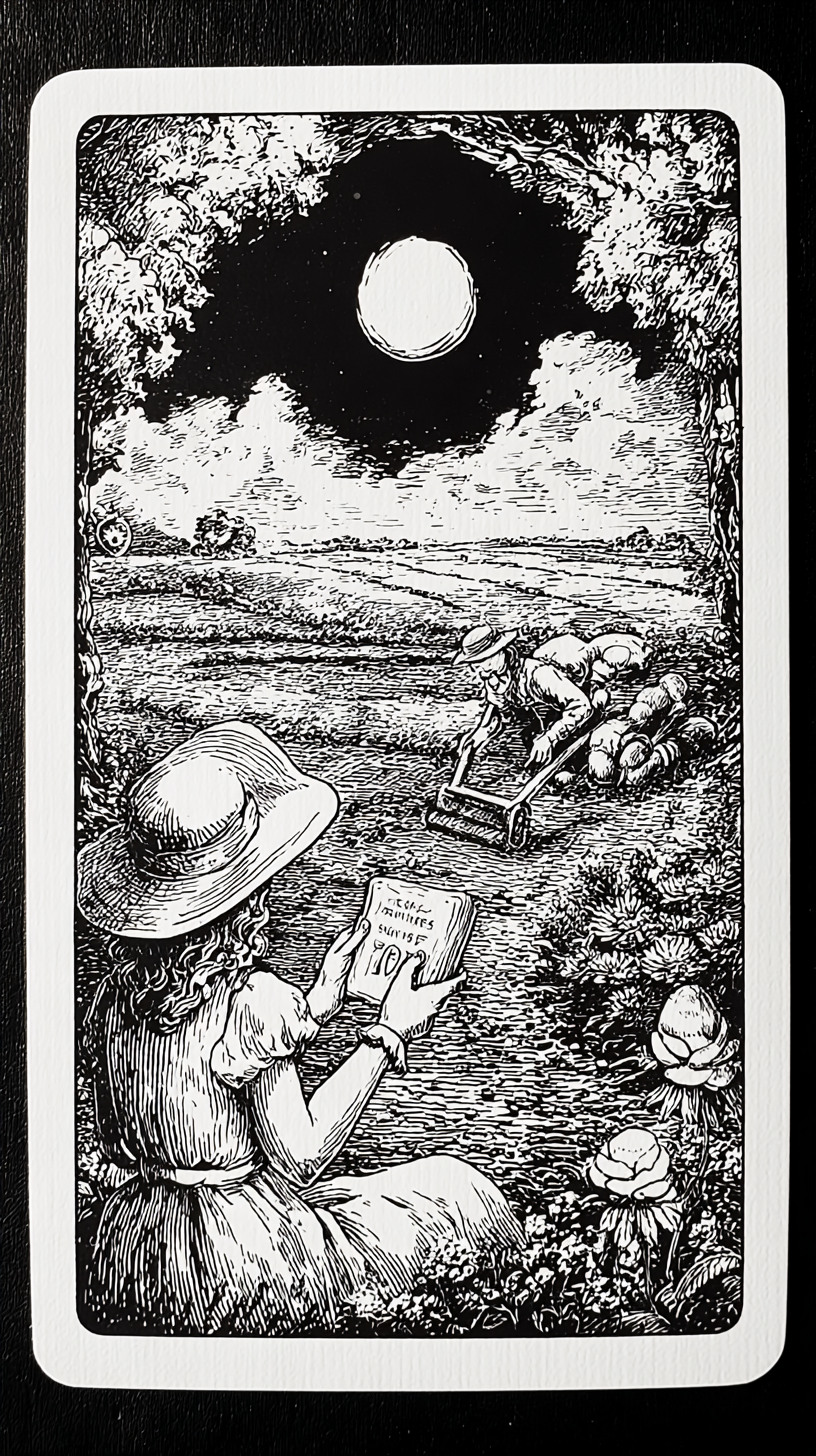
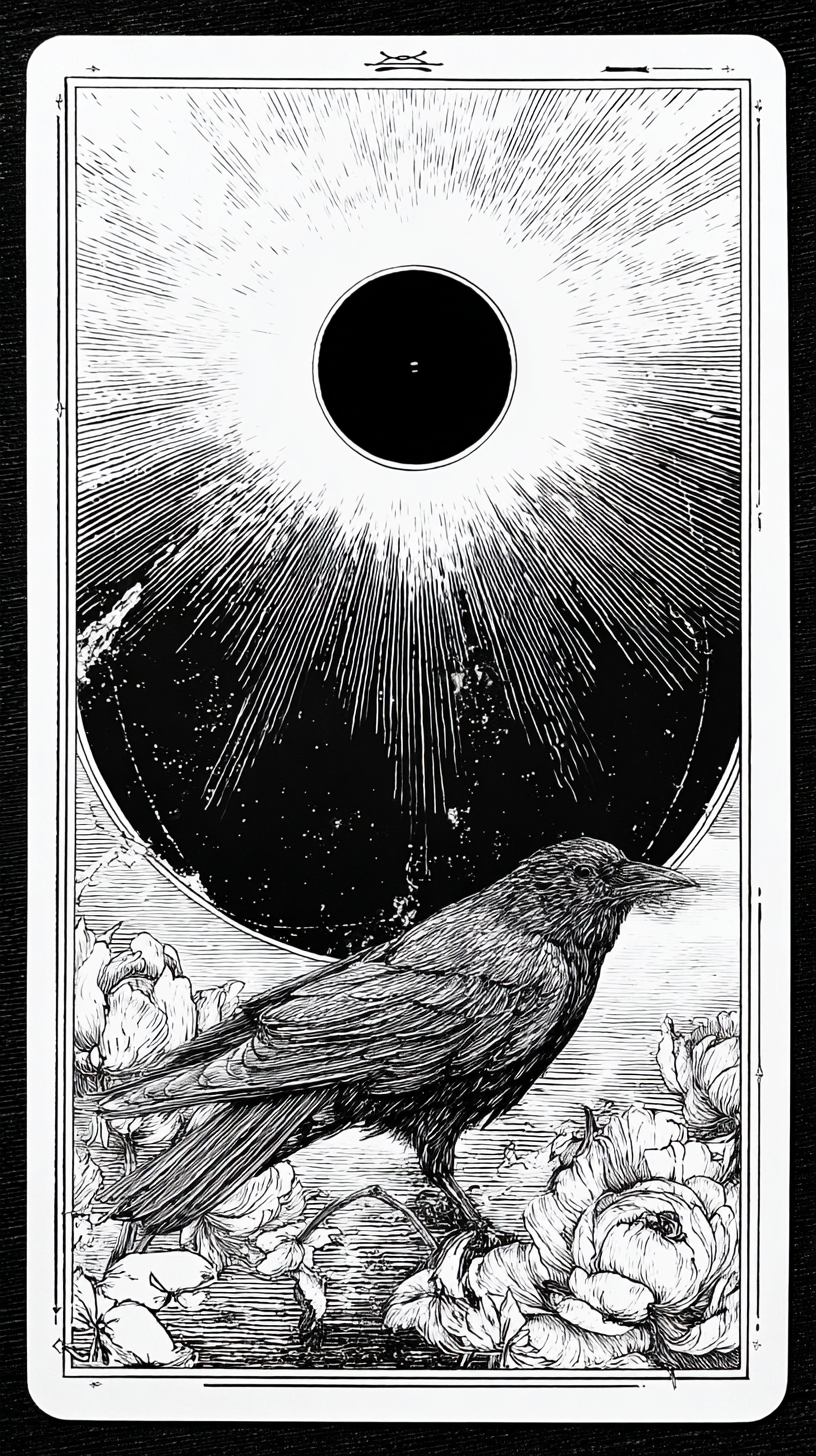
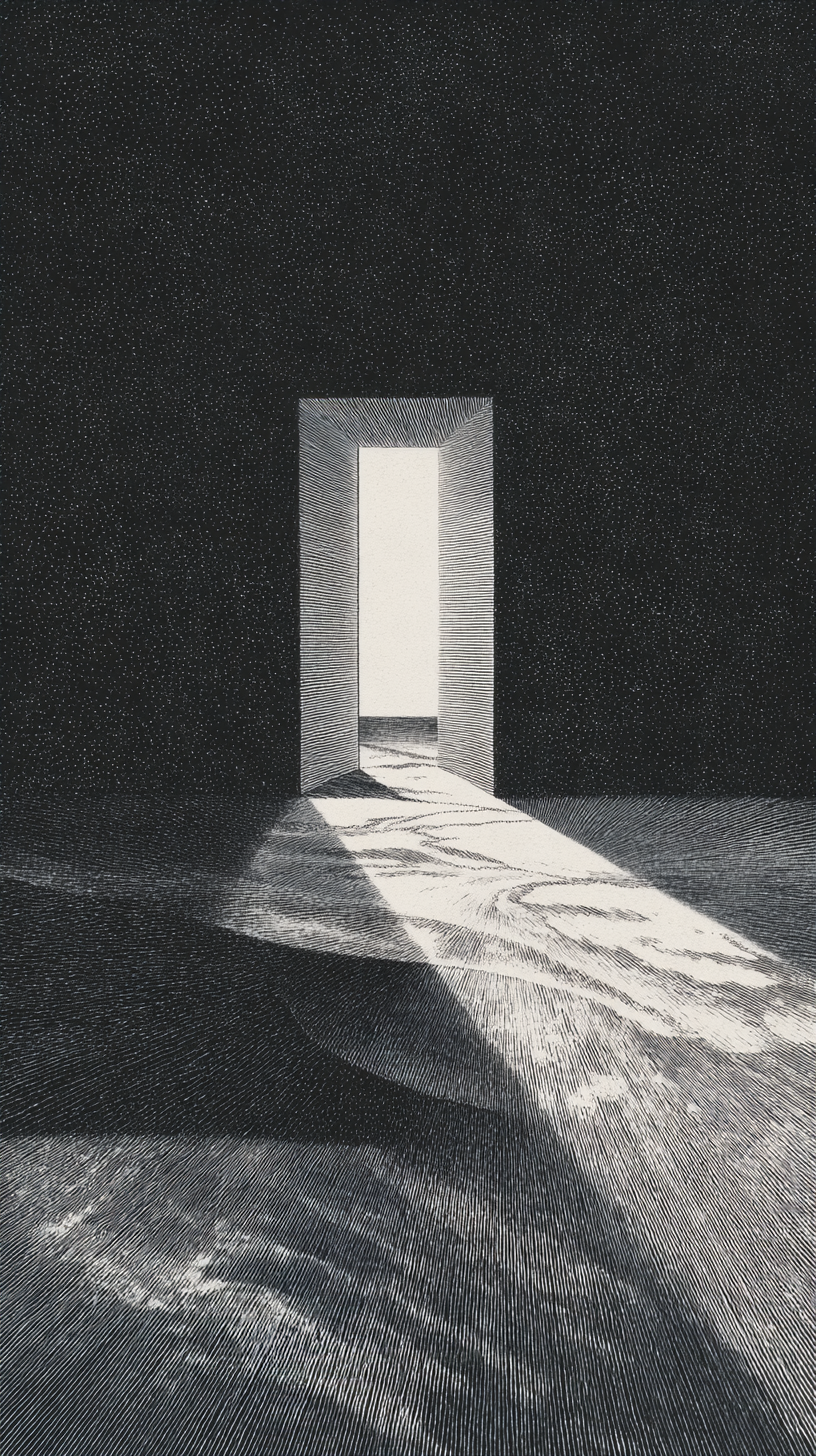
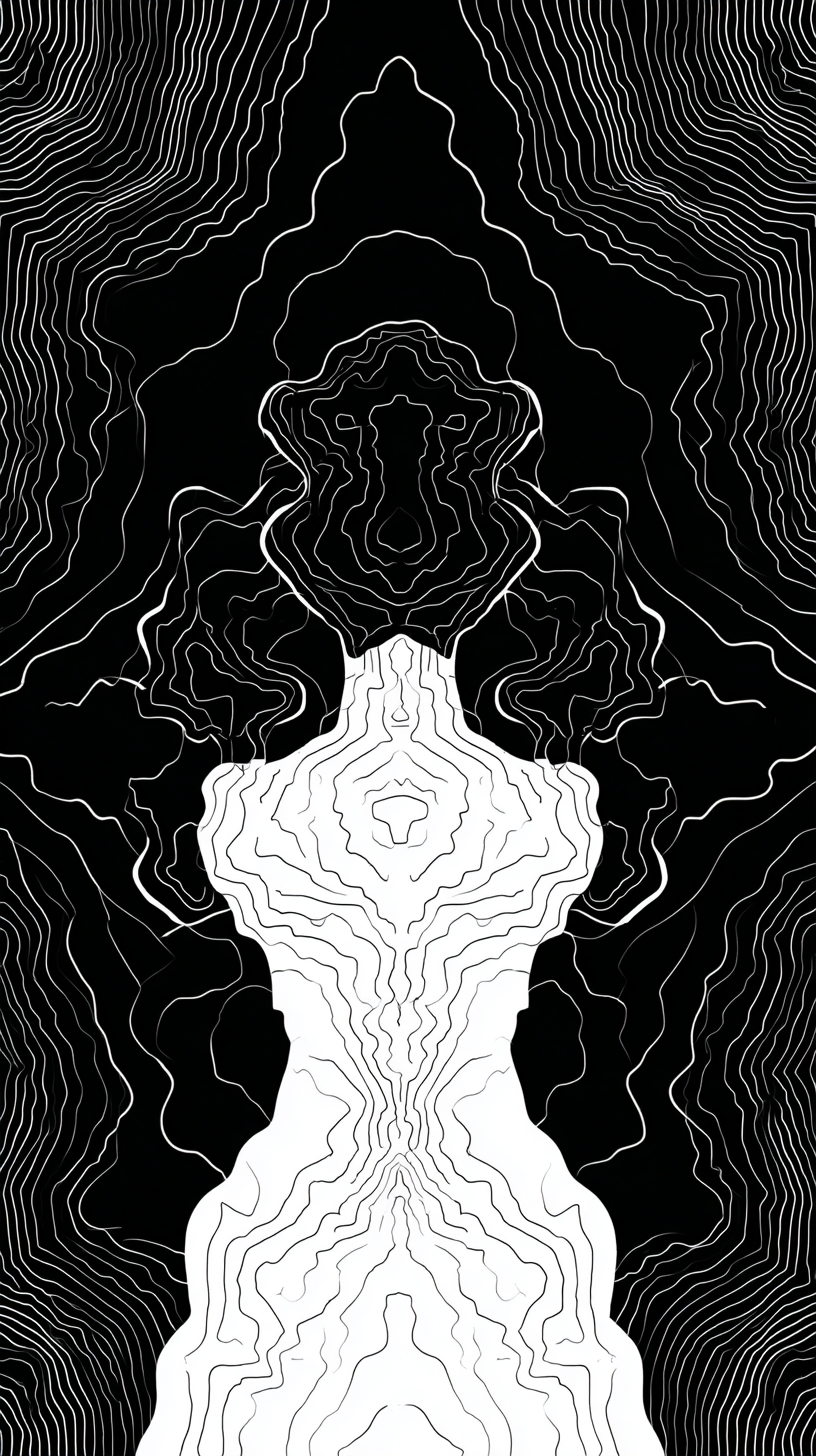

Three parallel logs — behavioral, narrative, dialogic — aligned to a shared time axis, but never forced into agreement.
While the player navigates the space and interacts with cards and objects, three streams of data are logged in parallel — aligned to a shared time axis, but never forced into agreement.
Where they converge, a pattern surfaces. Where they diverge, the discrepancy is preserved. The output is not a single label, but a map of where behavior, narrative, and dialogue pull in different directions — the texture from which the session's defense profile is read.
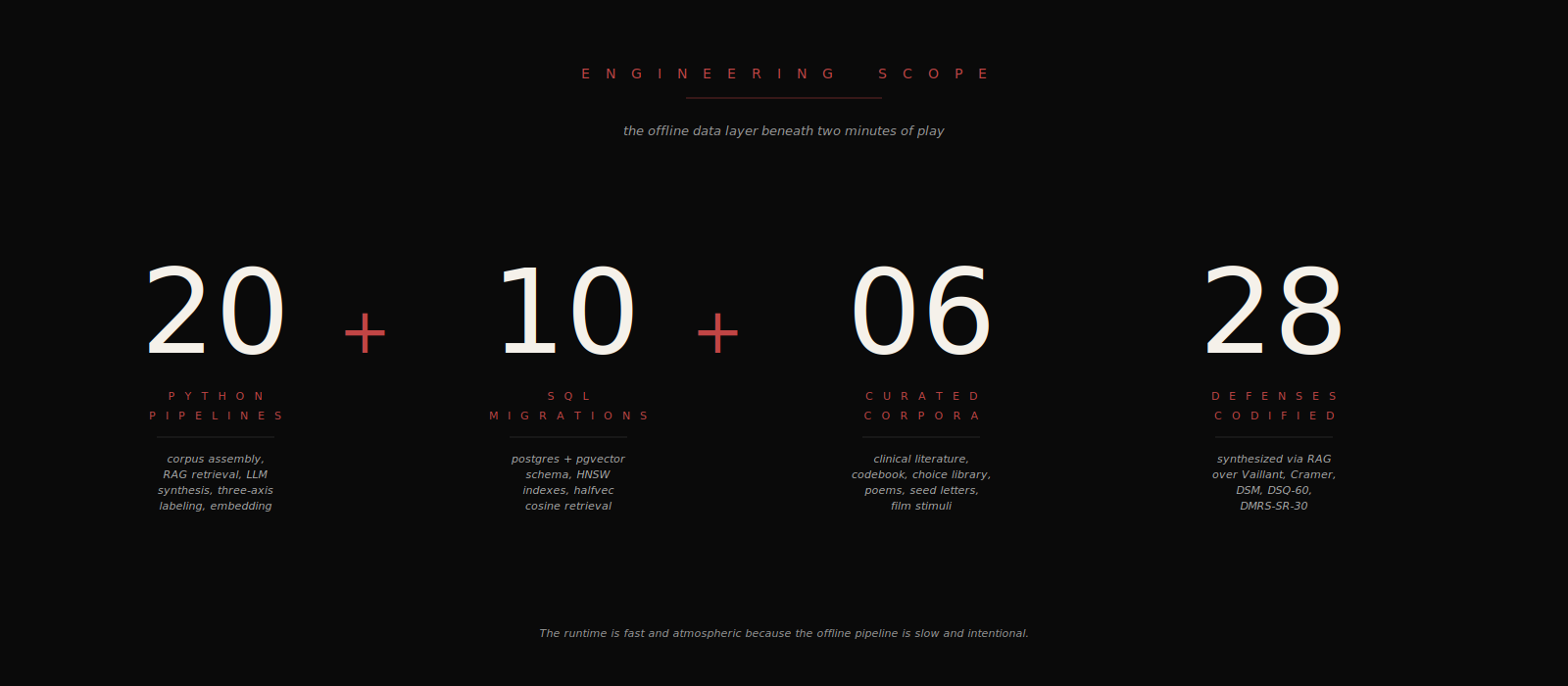
The runtime feels fast and atmospheric because the offline pipeline is slow and intentional. The thinness of the surface and the thickness of the engine are the same design decision, looked at from two sides.
The Explicit Choice Log. Timestamps, event identifiers, choice values, latency, hover paths, dwell time at thresholds, the order in which objects are approached. The layer of what the player did.
The Implicit Narrative Log. Responses to oracle cards (TAT-style projective stimuli) and journal prompts, coded along three axes — alongside VAD coordinates and primary/secondary defense tags drawn from the project's twenty-eight-item codebook.
An LLM voice, running Claude Sonnet 4.5, joins the player at thresholds and during the closing conversation in a register the spec calls Abyss Glide — a tone of patient, slightly remote curiosity. The voice is not the analytical engine. It is a participant.

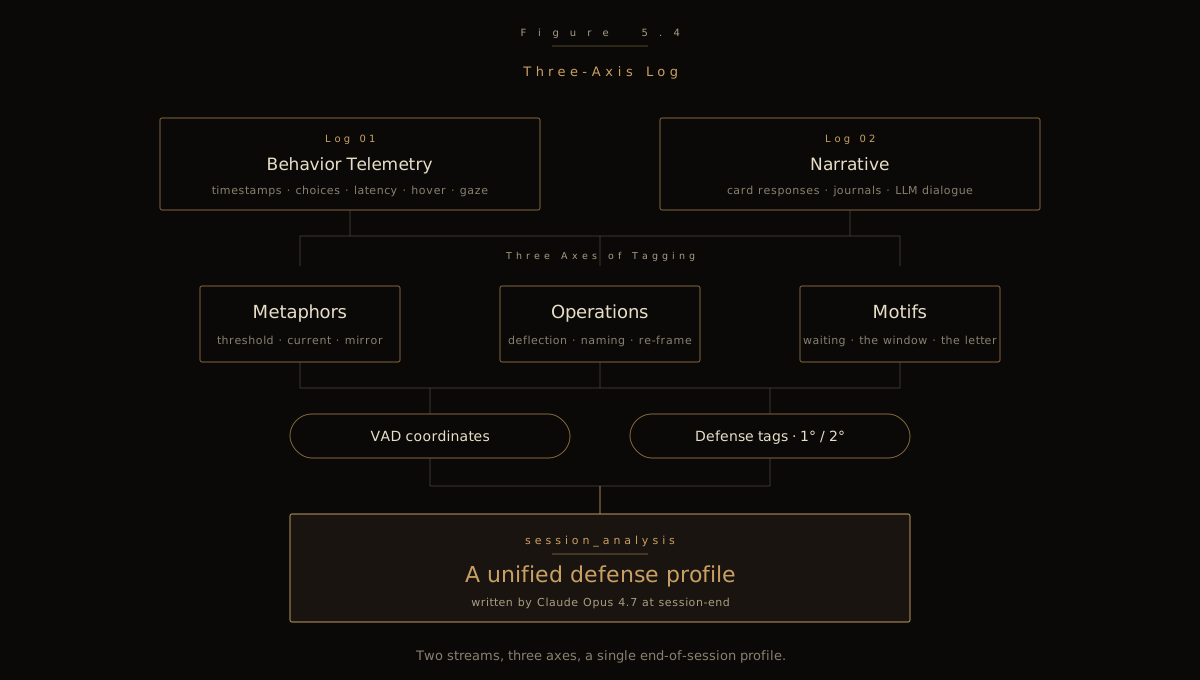
Inside the engine, every click becomes a labeled vector. At the surface, every clinical word has been removed. The system knows the player in a particular language, and the language never reaches the player.
| Frontend | Next.js 16 + React Three Fiber | One framework for 3D rooms and standard UI. |
| Database | Supabase Postgres + pgvector | HNSW index, halfvec(3072) — embedded similarity at production scale. |
| Analysis LLM | Claude Opus 4.7 | One deep read at session-end → unified session_analysis profile. |
| Conversation LLM | Claude Sonnet 4.5 | Latency-sensitive turns, conditioned on the deep read. |
| Embeddings | OpenAI text-embedding-3-large | 3,072 dims. Single embedding contract across all retrieval surfaces. |
| Image | Replicate Flux Schnell | Fast, atmospheric, cheap. The talisman's metaphorical signature. |
| @react-pdf/renderer | Two-page A6 talisman, server-rendered for pop-up events. |
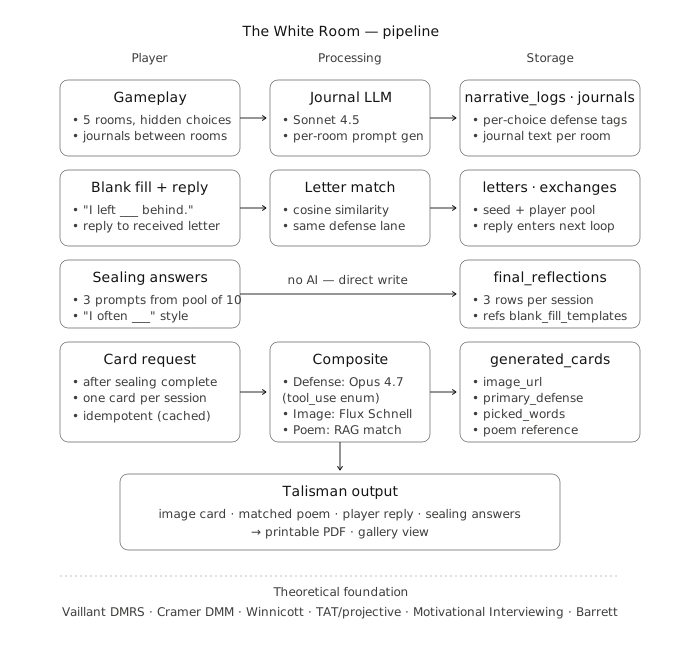
Thirteen tables hold the system's memory.
The same techniques can produce either a diagnosis or a poem. What differs is whether the technique gets the last word.
The system reduces the player to a single sentence — only the blank-fill answer is embedded. What returns is layered: a letter, a poem, an image, a QR code linking to a chain of strangers. The asymmetry is the ethics.
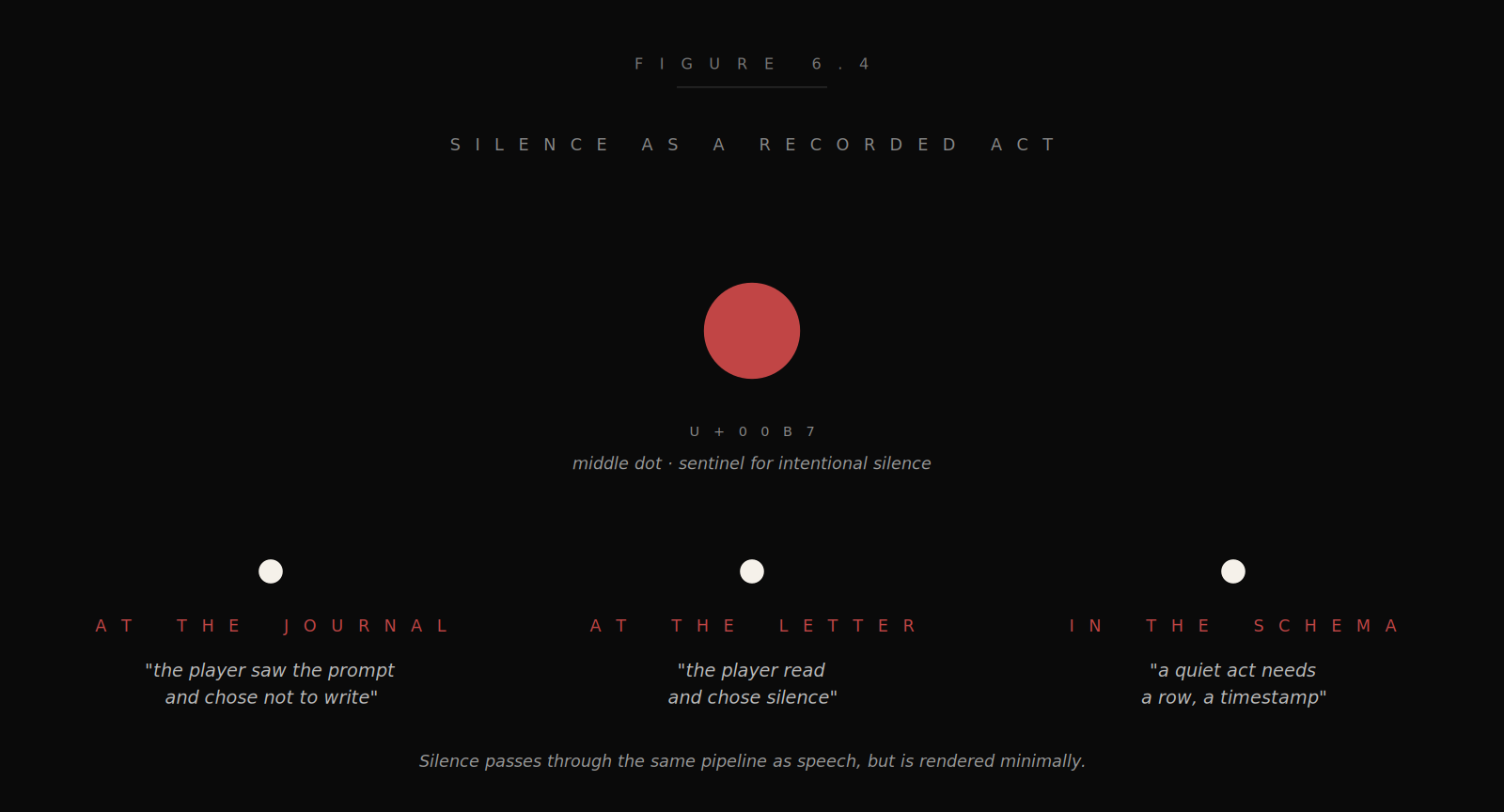
A middle dot (·) is the system's sentinel for intentional silence — at journals, at letter replies. Silence passes through the same pipeline as speech, but is rendered minimally. The unquantifiable gets a place in the schema.
The talisman, the gallery card, the QR letter all return to the player stripped of the labels that produced them. The classification engine produces an object that can no longer be classified.
The asymmetry is the ethics. Reduction-as-routing pairs with response-as-abundance.
The player completes three blank-fill sentences as a closing ritual — drawn from a pool of ten; one example set might read I often ___ . I tend to stay where ___ . I left ___ behind. All three answers are stored as part of the closing ritual; only one designated routing sentence is embedded for matching. The others remain as private residue inside the session, not as labels returned to the player. What returns is layered: a stranger's letter, a poem matched by category, an atmospheric image generated from the positive reframe of the player's primary defense, and a QR code linking to a chain of strangers.
Earlier prototypes layered more elements onto the talisman — the player's reply, sealing answers, mood fragments. The final form strips back to image, poem, and QR. The reply lives in the letter exchange; the rest stays inside the engine, never returning as a label. The talisman image is sensory residue, not a name — every interpretive door is left open to the player.
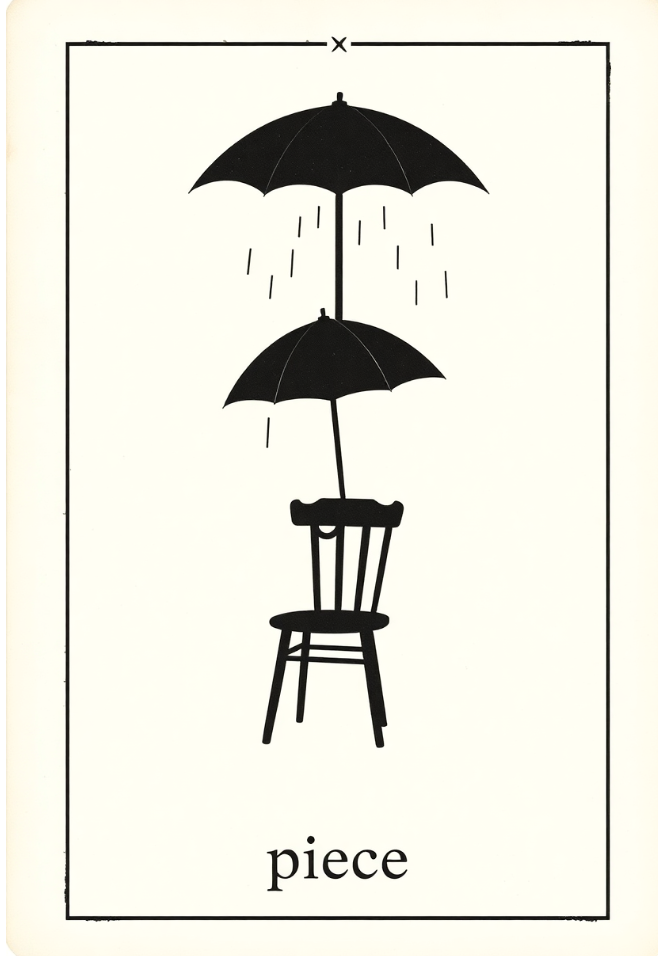
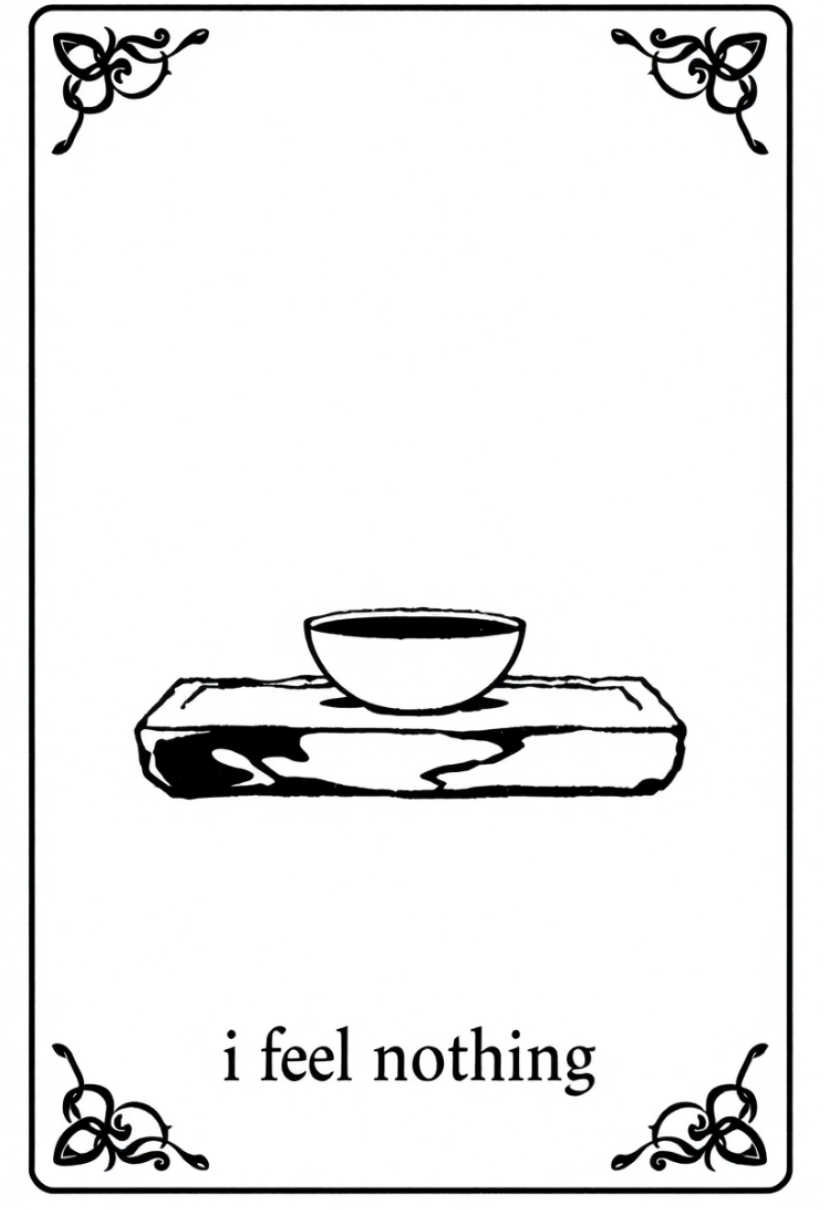
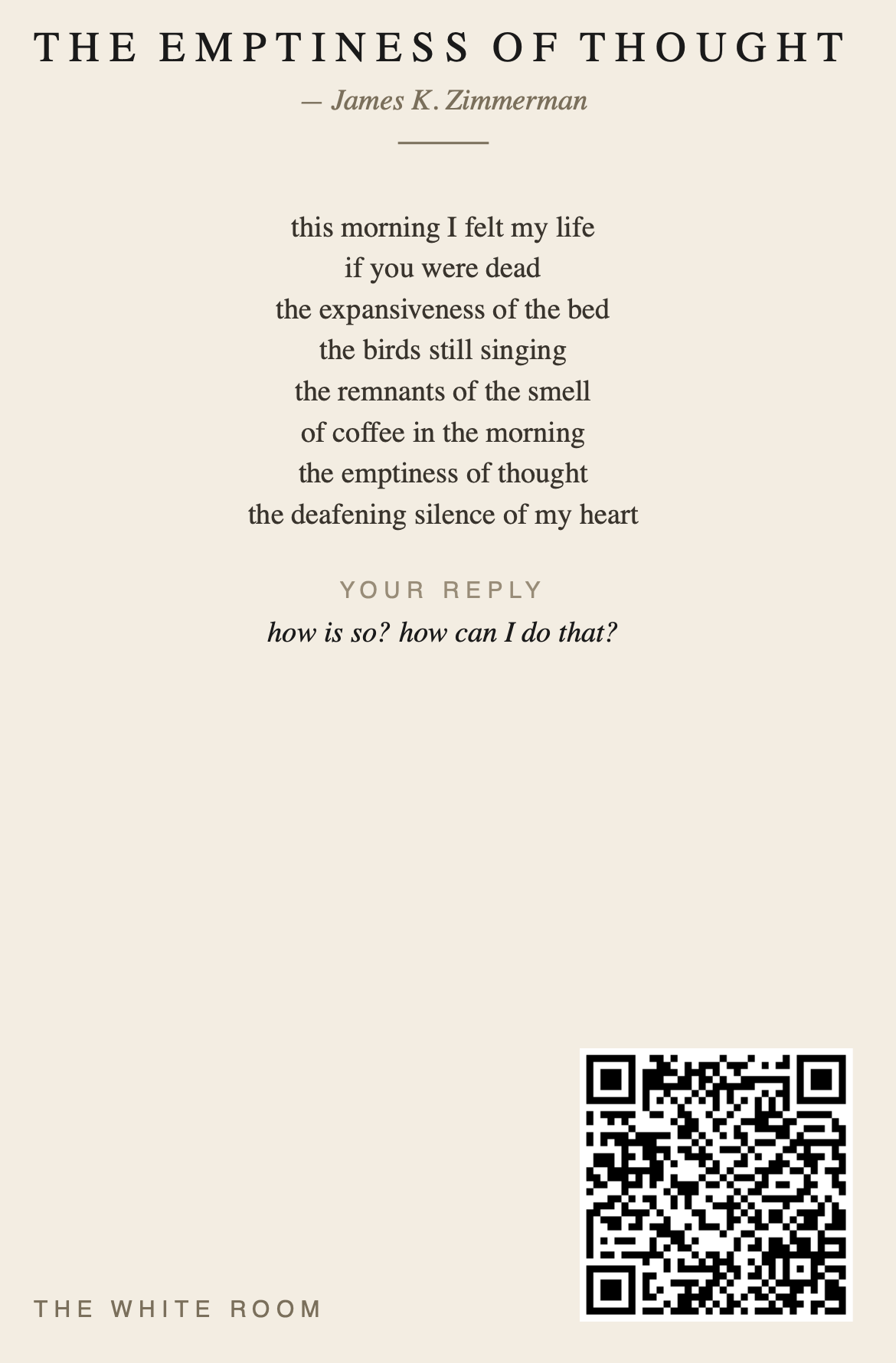

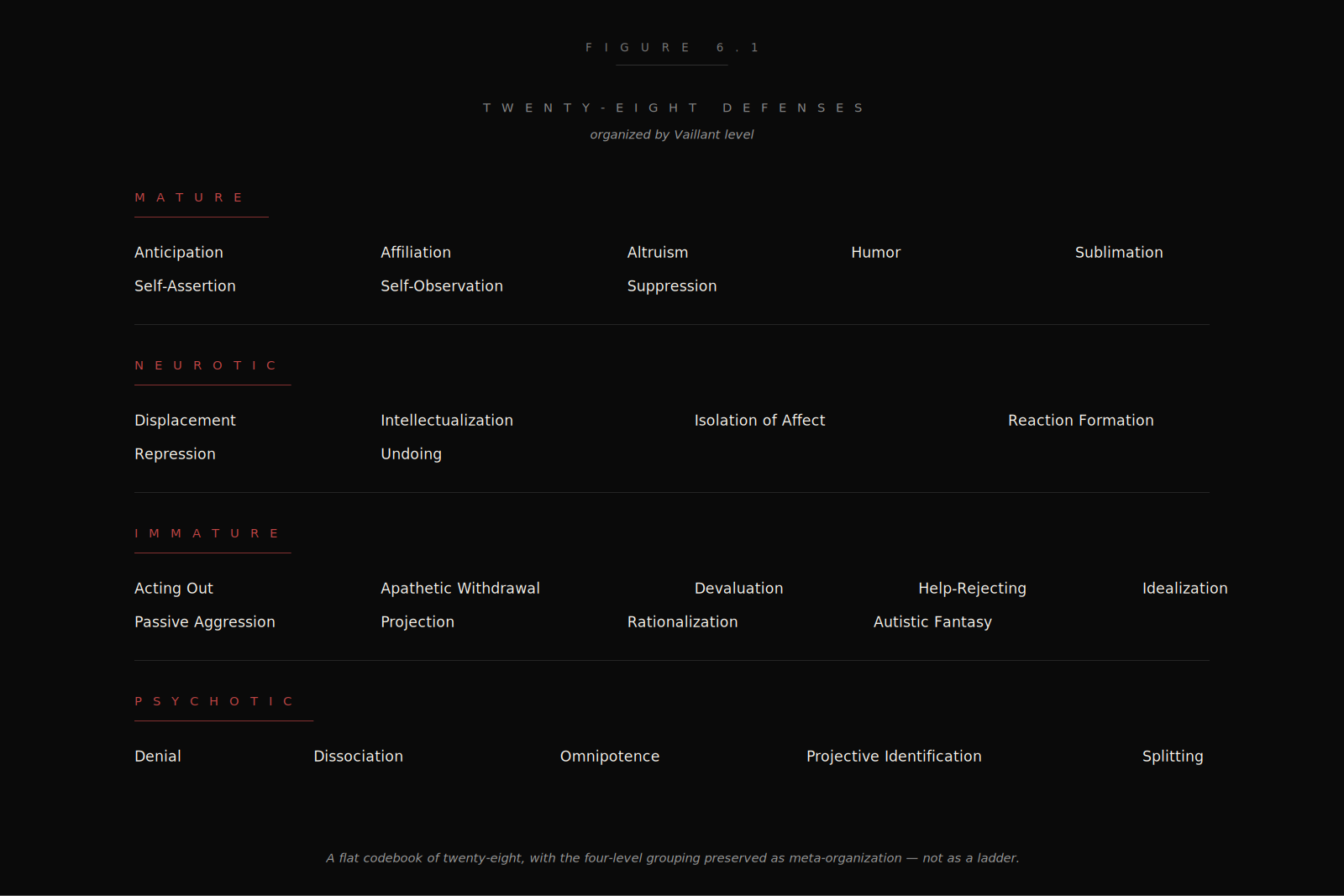
The project's twenty-eight-defense codebook is organized by the DMRS hierarchy (Perry, 1990; Di Giuseppe & Perry, 2014) — three categories, seven levels. Preserved as meta-organization. Never returned as a moral ladder.
| Mature · High Adaptive | Affiliation · Altruism · Anticipation · Humor · Self-Assertion · Self-Observation · Sublimation · Suppression |
| Neurotic · Obsessional | Intellectualization · Isolation of Affect · Undoing |
| Neurotic | Displacement · Dissociation · Reaction Formation · Repression |
| Immature · Minor Image-Distorting | Devaluation · Idealization · Omnipotence |
| Immature · Disavowal | Denial · Projection · Rationalization · Autistic Fantasy |
| Immature · Major Image-Distorting | Projective Identification · Splitting of Self-image · Splitting of Other's image |
| Immature · Action | Acting Out · Help-Rejecting Complaining · Passive Aggression |
Mature defenses are not better than immature ones in any moral sense. They describe different shapes that have been adaptive in different contexts. The level appears in metadata, not in any output that reaches the player.
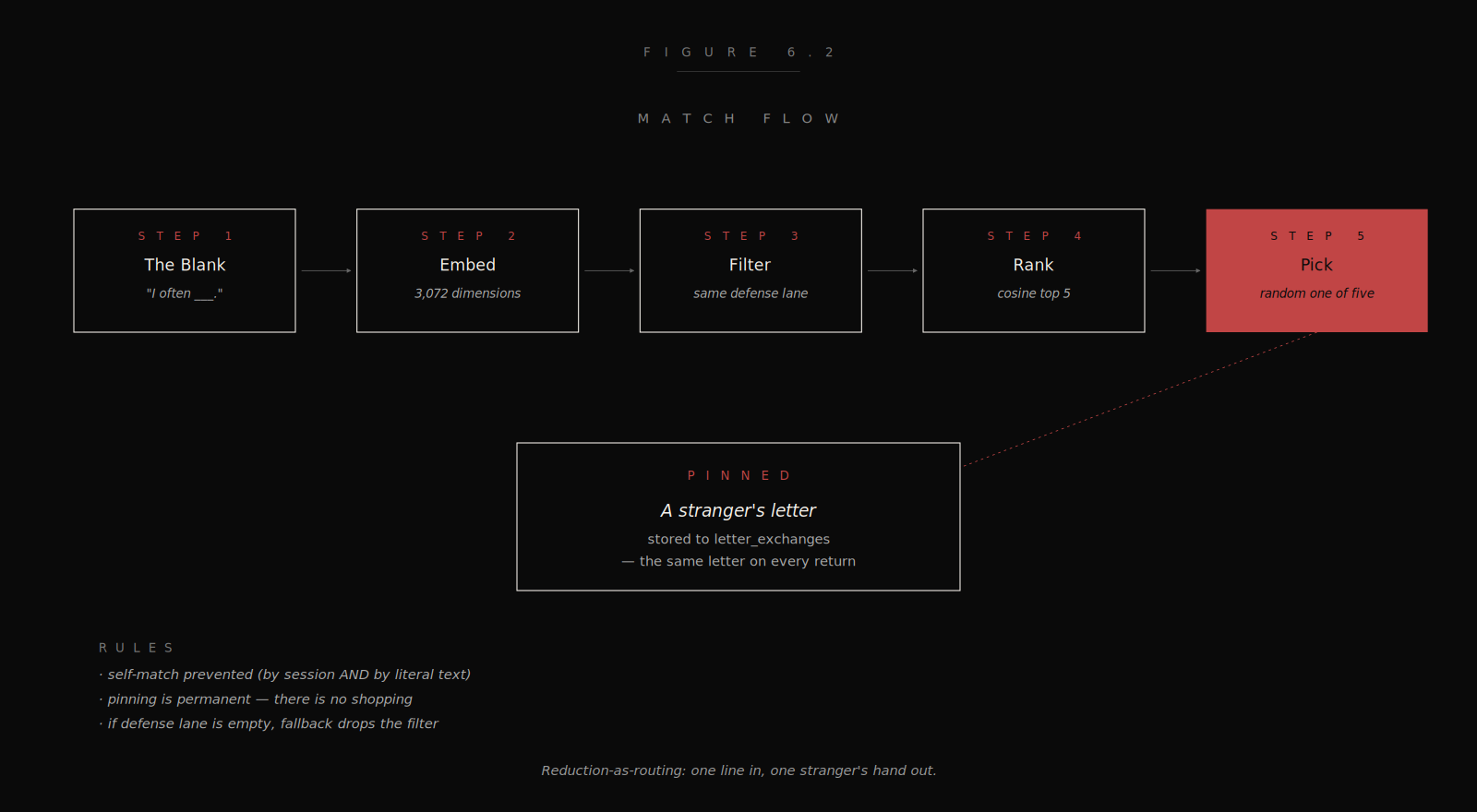
The match runs in four steps.
The system retrieves the player's blank-fill row — answer, embedding, defense.
It queries the seed pool for active rows in the same defense category, excluding the player's own session and any letter whose blank answer is identical.
It cosine-ranks within the filtered set and retains the top five.
Among the top five, one is selected at random. The randomness inside the similarity bracket is deliberate — it preserves the pluralism of possible mirrors.
Self-match prevention is enforced at two layers. Pinning is permanent: the first match is the only match. There is no shopping.
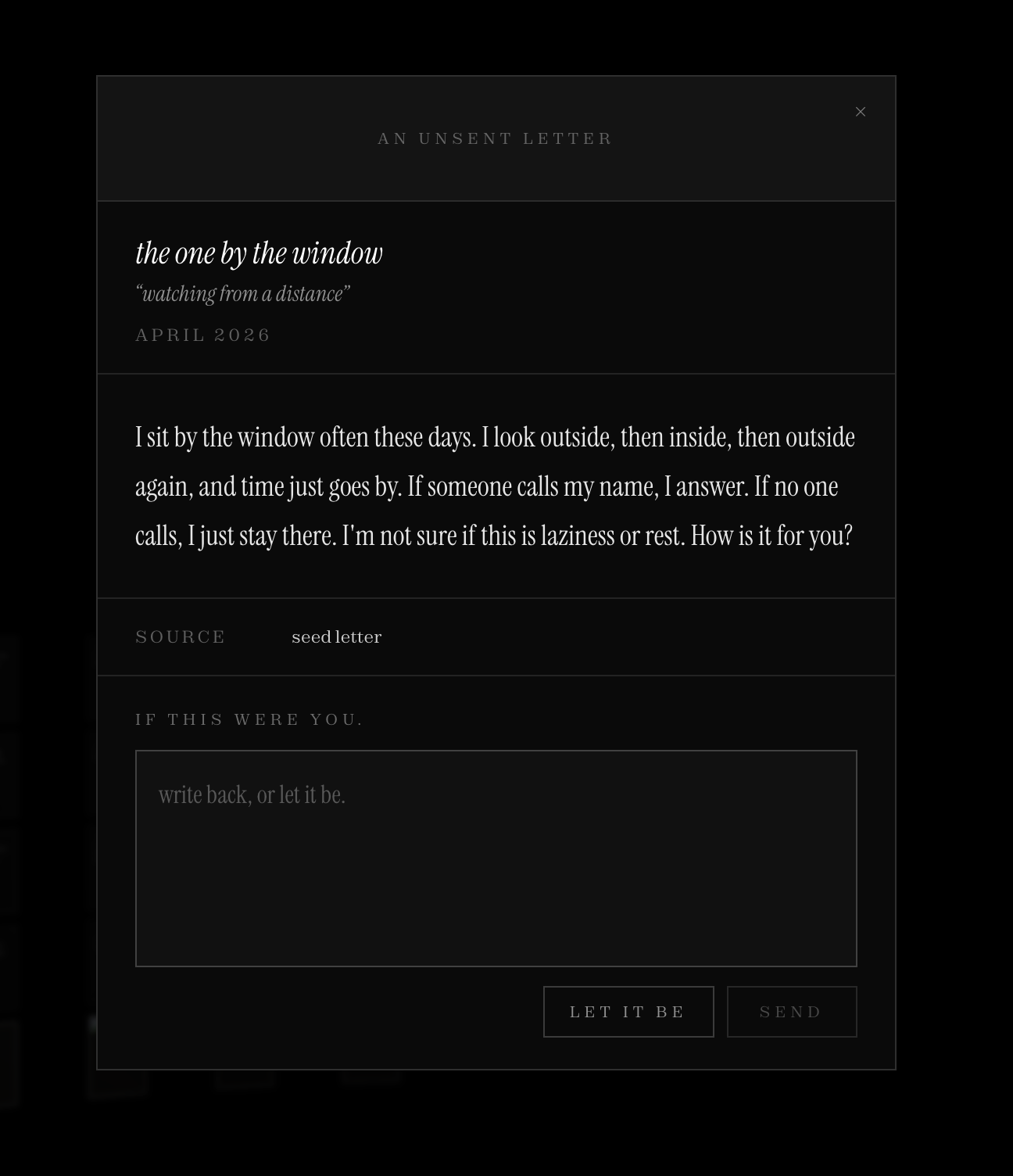
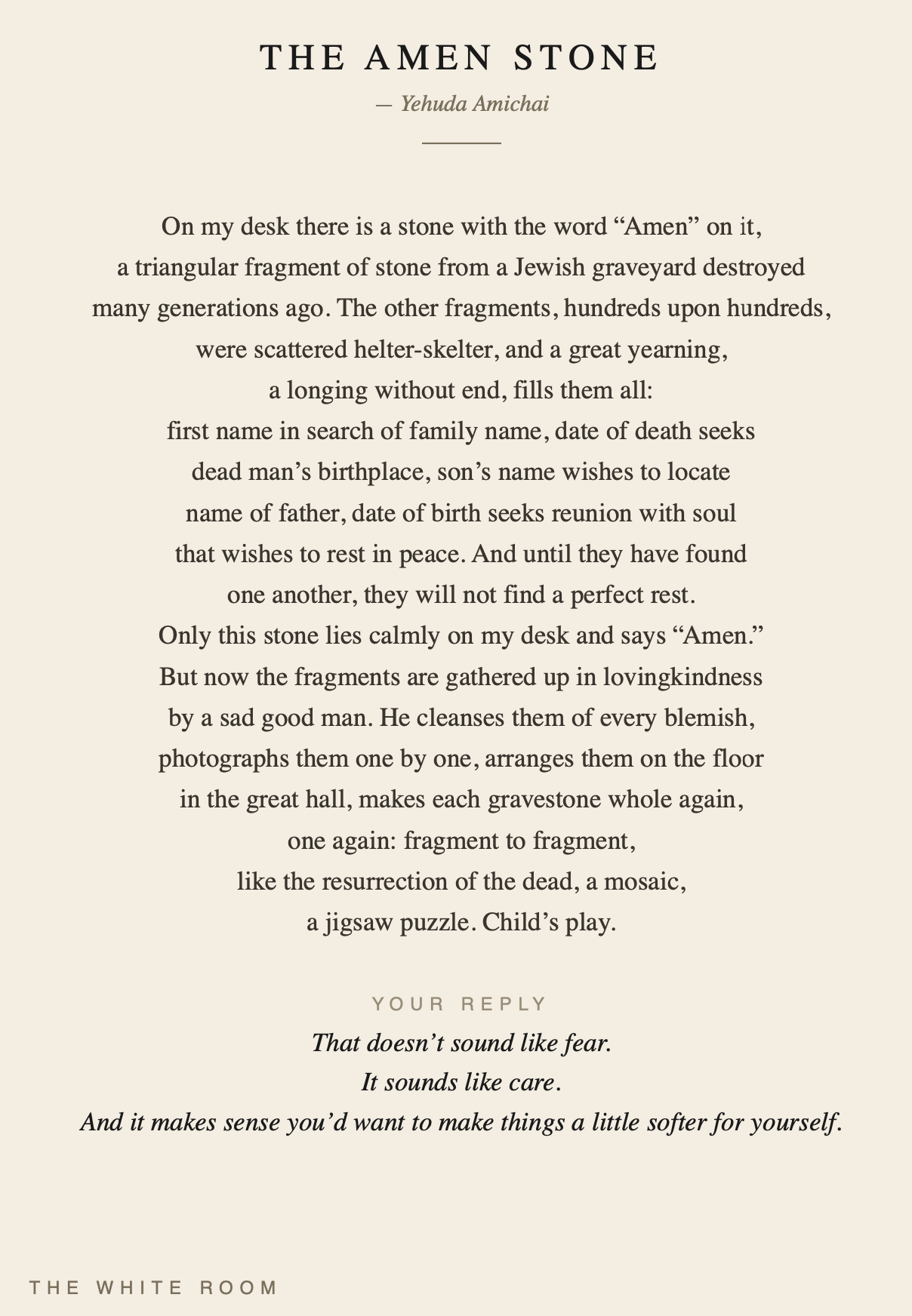
The letter the player receives is not generated text — it is already written, in human hand, by another person. Either by one of the seed authors, or by a previous player who chose to share their reply.
The letter arrives with three companions: a poetic orientation phrase (creating quiet space between feeling and action), a short framing message, and a card image from the oracle deck. A QR code links to a unique letter URL the player can return to, share, or pass on.
The community is not a forum. It has no profiles, no follows, no comments, no engagement metrics. Structurally, it is closer to a postal system than a social network — a system in which letters move from one address to another, with no return path, and no public broadcast. The lineage is older than the internet:
Postcrossing — asymmetric postcard exchange. The person you write to is never the person who writes to you.
The Kula Ring — Trobriand circulation of valuable objects through a network of islands. The objects are never owned; they are held briefly, then passed on.
TimeBanking — Edgar Cahn's mutual-aid hours. My hour is not worth less than yours.
Not relief from pain, but the smaller and stranger thing of finding that one's pattern has been shared — and that someone who shared it found a different way to write about it.
The third phase happens after the player closes the letter, holds the card, and goes back into their life. The hope is not that the game has changed them — but that it has given them an angle from which to notice something they would otherwise have walked past.
The defense, doing its work — successfully, in the sense of keeping the person stable. But the person is inside it without knowing it is there.
The pattern becomes visible as a pattern. The person sees, perhaps for the first time, that there is a shape to how they handle a kind of situation. Not yet revision. Only seeing.
With the pattern recognized, a small risk becomes possible — to say a sentence they would not have said, to stay in a room they would have left. Safe in the sense that the person can choose its dose.
The exposure, when it lands, produces something the protection pattern was unable to produce: a moment of being met. Not always. Not reliably. But possibly. And once it has happened once, the person knows it is possible.
The White Room is being staged as a series of pop-up exhibitions — small physical rooms in galleries, schools, libraries, and public spaces — so the moment of being witnessed by a stranger can also become a moment of standing in a room with one.
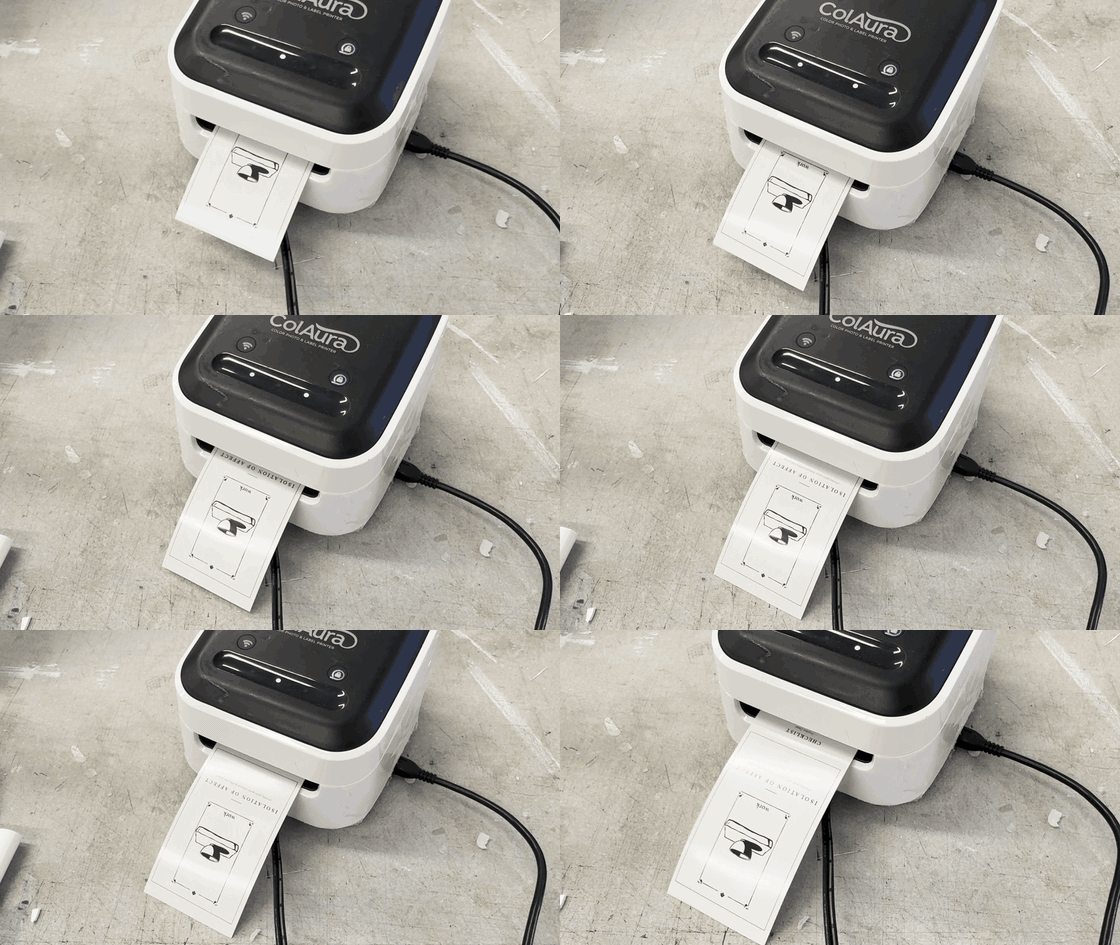
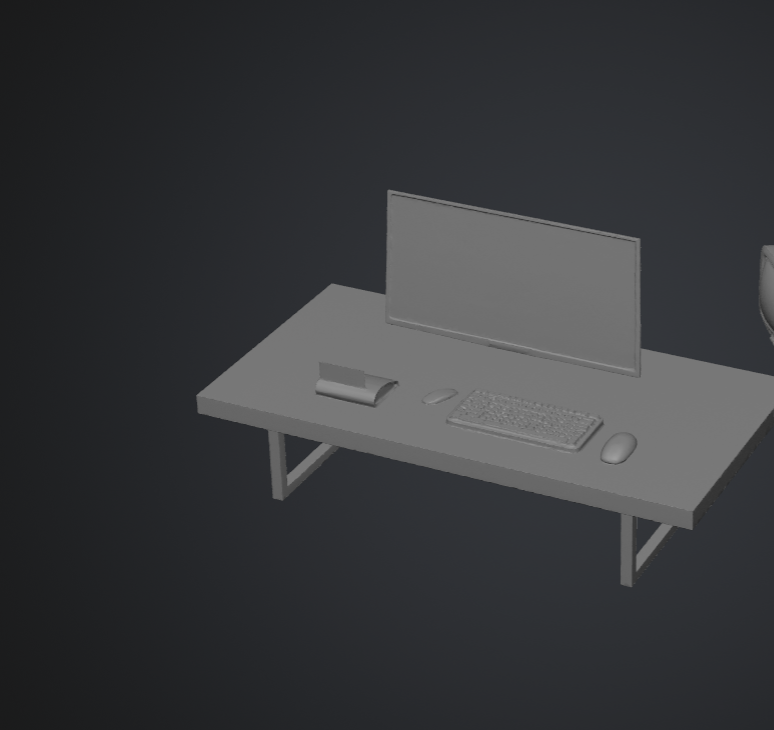
The digital game ends with a talisman the player carries out — a card, a poem, a stranger's letter. The pop-up extends that gesture into the room itself: the printed talisman becomes a take-home object, the letter wall becomes a physical wall, and the stranger's hand becomes — for a moment — a body in the same space.
Each pop-up is small by design. A single white room. A printer. A wall on which letters accumulate over the duration of the show. A QR that links a paper letter back to its digital lineage, and a digital letter back to the place where it was first printed.
The pop-up is not a marketing extension of the game. It is the inverse instantiation of it — the same architecture, made physical, so that the asymmetric exchange between strangers can briefly share a floor.
The artifact leaves the screen and joins the world it was made for.
We are classified, all of us, every day, by systems that operate without our full knowing. The challenge is not to refuse the classification — refusal is rarely available — but to find inside the classification a small space in which something else can happen.
A space in which a stranger can write to us, in language, about a thing we did not realize was shared. A space in which our reply can travel onward, addressed not to anyone in particular, available to whoever the system finds next. A space in which an image of our pattern's adaptive face is given back to us — not as a name, but as a small atmospheric thing we can carry.
This is a small space. It is not the whole answer. But it is a real space, and it is the space The White Room tries to build.
I often ___ .
And we all need each other every time.
A single session. Two to twenty minutes. One sentence at the end — and a card you carry out.
I often ___ .
And we all need each other every time.